

Autonomy, Stimulation, Anchoring: What Keeps a Life Sustainable

Sometimes a thought arrives all at once, with a lot of noise around it.
And sometimes it appears quietly, almost by accident, while doing something ordinary.
This one came to me like that. Not during a big conversation about life plans. Not at some dramatic turning point. Just somewhere in the middle of normal days, while we were moving between places, adjusting routines, reflecting different energy levels for each of us, and trying to understand why a life can feel right for a while and then, slowly, begin to resist itself.
A few weeks in April in Portugal did something to us that a the stretch of Germany in March could not. That is not a judgment on either place. It is just the truth of how differently they fed us.
In Portugal, the days felt bright and open. Even ordinary things, a supermarket stop, a road sign, the sound of a language we do not fully understand, carried a kind of mental lift. The world felt less known, and that alone made us more alert, more curious, more awake.
Germany worked differently. There, the gift was not newness. It was familiarity. We slipped back into routines without trying. We returned to places we already knew. We saw some of the same faces more than once. Days began to hold shape without asking much from us.
Both phases were good for us. And in a different way.
That difference is what helped us name something we had been feeling for a while. A life can look full, even enviable, and still become unsustainable underneath. What matters is not only how it looks from the outside, but whether your inner batteries are being reloaded enough to keep the whole thing going.
For us, three of those "batteries" matter again and again: Autonomy, Stimulation, and Anchoring.
The three batteries don't need to be perfectly filled. Not equally filled every day. Just filled enough. That seems to be the point.
Three Batteries, three Different Needs
Autonomy is the feeling that you have some say over your own life.
Not unlimited freedom. Not a fantasy of doing whatever you want at any moment. Something simpler and more practical than that. The sense that your day is not entirely spoken for before it begins. That you can adjust. Decide. Respond. Change direction when something is clearly not working.
We notice that especially on the road. Recently, we woke up in a place that was not terrible, just wrong in that quiet way some places are. So we had breakfast, looked at the map, and left. By the afternoon, the whole mood had changed. That small act of steering our own day filled something important.
That is autonomy for us. Not control over everything. Just enough room to respond before the day hardens around the wrong choice.


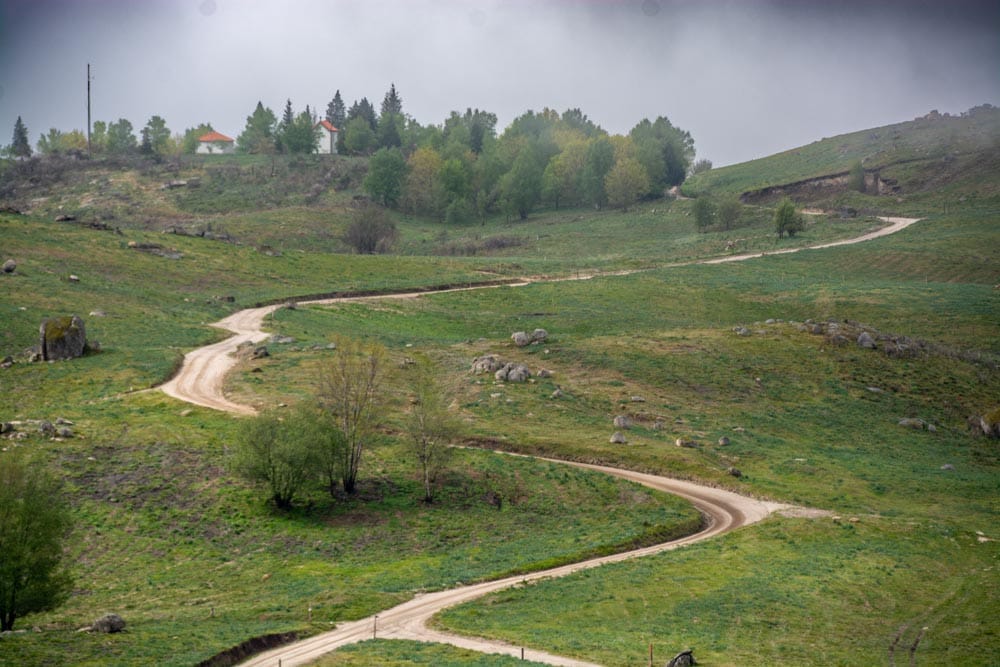


One part of autonomy is that we can choose where we spend our time: at the sea side, in the mountains, or exploring cities.
Stimulation is different. It is the feeling of being mentally awake.
Curiosity plays a big role in it, but so do novelty, surprise, learning, and contrast. It is what gets fed when something catches your attention and pulls you more fully into the moment.
Travel offers this constantly. A different light, a different rhythm, unfamiliar products on supermarket shelves, a new road surface, a language you can almost follow but not quite. None of these things are dramatic on their own. But together they create a low, steady current of alertness.
That is what Portugal gave us recently. Not some grand adventure every day, but a steady stream of small unfamiliarities. Enough to make the mind lift its head.





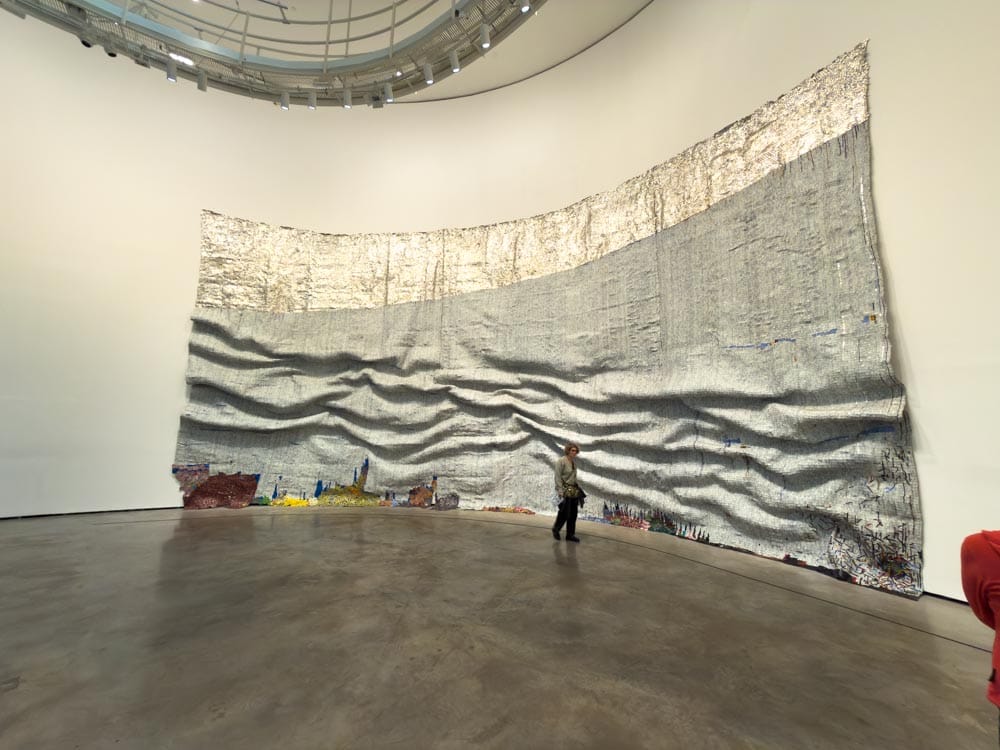

Stimulation has many facets. Wall paintings in ancient caves, street art, nature, museums.
Anchoring is quieter than the other two, and maybe less glamorous, but no less important.
Anchoring comes from repetition, familiarity, rhythm, and continuity. It is built through known places, recurring habits, people you see again, routines that no longer need to be rebuilt from scratch. It is what lets life settle.
That was Germany for us, especially our time in Karlsruhe. The days were less novel, less visibly exciting, but deeply supportive in another way. We had rhythms that held. We knew where to go. We stopped spending energy on reorienting ourselves every few days. And once that effort dropped away, something in us softened too.
One morning there, we realized how much relief there was in not having to invent the day from zero. Breakfast, a long hike, this strange rock, the same bakery later. Nothing spectacular happened. That was exactly why it mattered.



Anchoring can be the tremendous view when reaching the peak during a hike, this incredible food in this one bakery we visited multiple times.
The Principle is Simple, Even if Living it is not
What we keep coming back to is this: a good life probably does not depend on full loaded batteries. It depends on keeping all three decently filled.
That is a less dramatic goal, but maybe a more useful one.
Because one full battery can easily distract from another that has been quietly running low. A life can be rich in stimulation and still lack anchoring. It can be stable and well anchored but leave too little room for autonomy. It can offer plenty of autonomy while becoming flat and under-stimulating over time.
From the outside, all of these versions may look completely fine. Inside, they begin to wear.
This is why the contrast between Germany and Portugal felt so revealing to us. Germany filled anchoring strongly. Portugal fills stimulation almost effortlessly. Both are valuable. Neither solves everything on its own.
And that, increasingly, feels like the real deal. Not choosing one side forever, but noticing what is low and adjusting before the imbalance becomes too large.
Sometimes you need more newness. Sometimes you need more rhythm. Sometimes you need more room to shape your own day.
Not because one battery is more important than the others, but because different parts of us go hungry at different times.
Travel Makes the Pattern Easier to See
Although this reflection comes from our life on the road, it is not really about travel. Travel simply makes the shifts easier to notice. Change the country, the road, the language, and the effect becomes visible faster. You can feel very clearly when stimulation rises, when anchoring drops, when autonomy opens up, or when it begins to narrow again.
This pattern itself belongs to non-travel life just as much.
Many people know what it feels like to have too little stimulation in a routine that works perfectly well on paper. Or too little anchoring in a period that is full of change. Or too little autonomy in a life that looks stable and responsible from the outside but leaves almost no room to decide anything freely.
That is why this idea has stayed with us. Because it reaches far beyond overlanding, border crossings, or the question of where we parked Emil last night.
You might recognize it in work, in family life, in weekends that never quite restore you, in habits that once helped and now feel heavy, or in the quiet sense that something is missing even though nothing is obviously wrong.
Sometimes the most useful question is not whether life looks good. It is whether the three batteries are loaded ... enough.
And Then There is the Partner Angle
Living as a couple adds one more layer to all of this. Because there are not just three batteries. There are six. And they are not always low or full at the same time.
A phase that feels exciting and stimulating for one person might leave the other craving anchoring. A routine that feels calm and supportive for one might feel stifling to the other. Even autonomy can land differently. One person may experience a decision as freeing, while the other experiences the same decision as another change to absorb.
That does not mean something is wrong. It just means shared life requires even more attention. Attention to your battery levels and to your better half ones. Not constant analysis. Just the willingness to notice that the same situation can nourish two people differently.
Because in the end, the goal is not a perfect balance. It is something gentler than that.
To notice what battery is running low. To respond before strain turns into resentment. And to keep a life livable from the inside, not only attractive from the outside.
What experiences refill which of your three batteries?
Explore. Dream. Discover.