
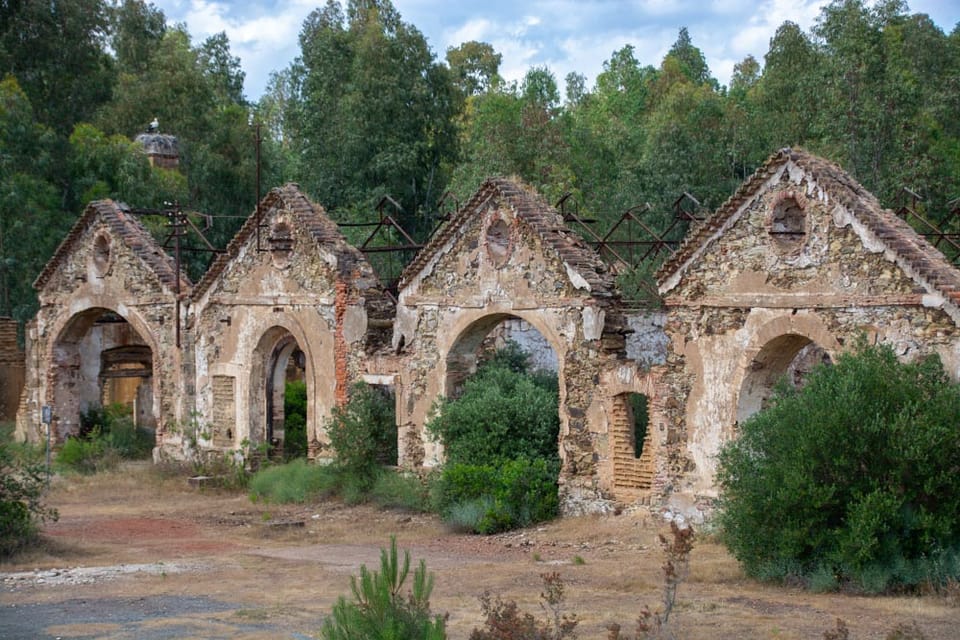
The Quiet Pull of Abandoned Places

There are places that do not greet you with beauty in the usual sense. They do not charm you at first glance, do not ask to be admired, do not try to make themselves easy to understand. And maybe that is exactly why they stay with us.
We rolled in slowly with Emil, our home on wheels, over rough ground and into a landscape that already felt like a scene from the movie Mad Max. The track itself was part of the experience. Sunshine, dust, tires on uneven earth, that small sense of leaving the ordinary road behind. Off-road driving and Lost Places belong together in a strangely perfect way. Both begin where things get less polished. Both reward curiosity.
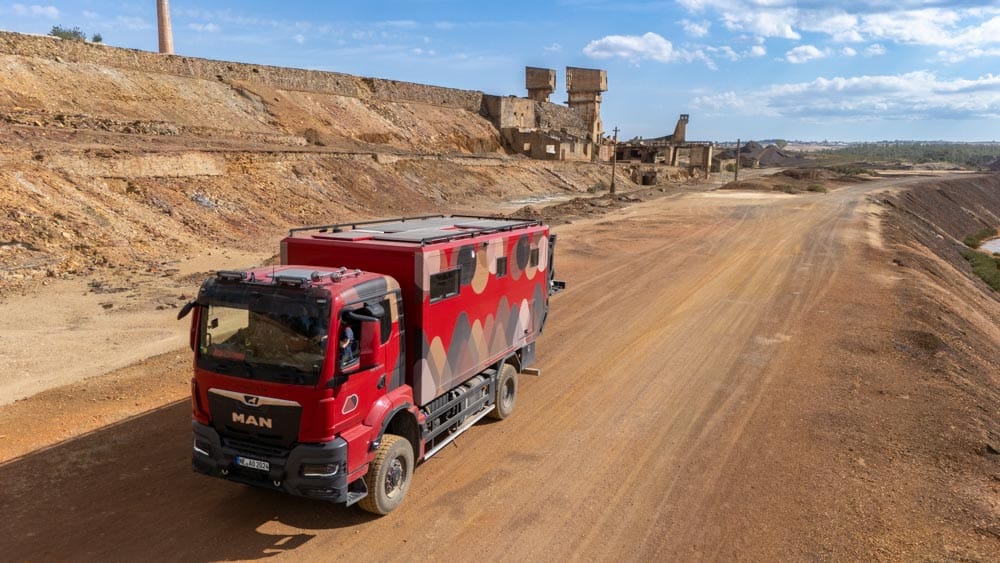
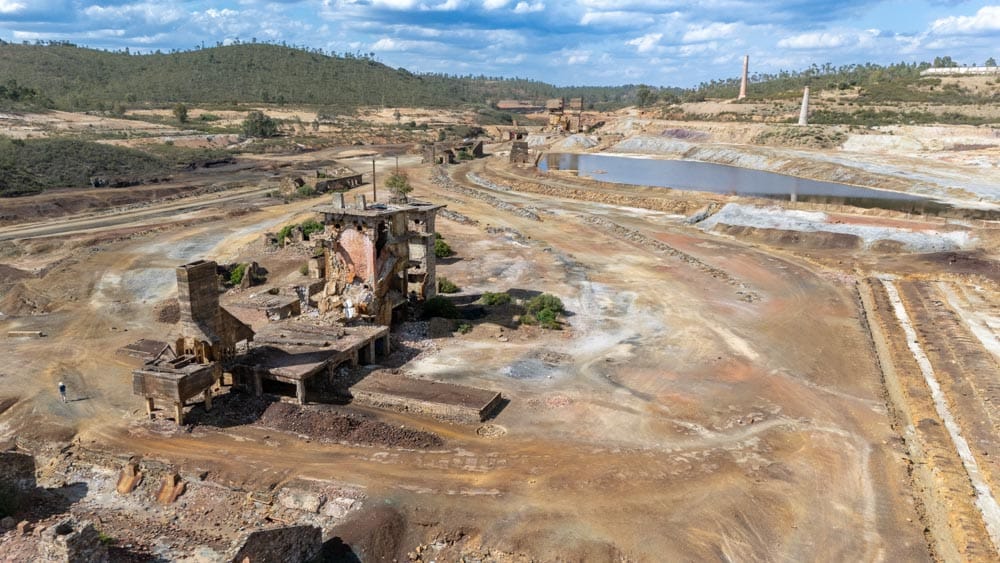
And then we were there, right beside the old industrial remains near Mina de São Domingos in southern Portugal. No entrance gate, no dramatic reveal, just that quiet moment when a place begins to unfold. Rusted structures. Broken lines. Bare ground. A hill of exhausted colors. And in the middle of it all, that tower, leaning so uncertainly that it seemed to be collapsing in slow motion. As if someone had pressed pause at exactly the right second.
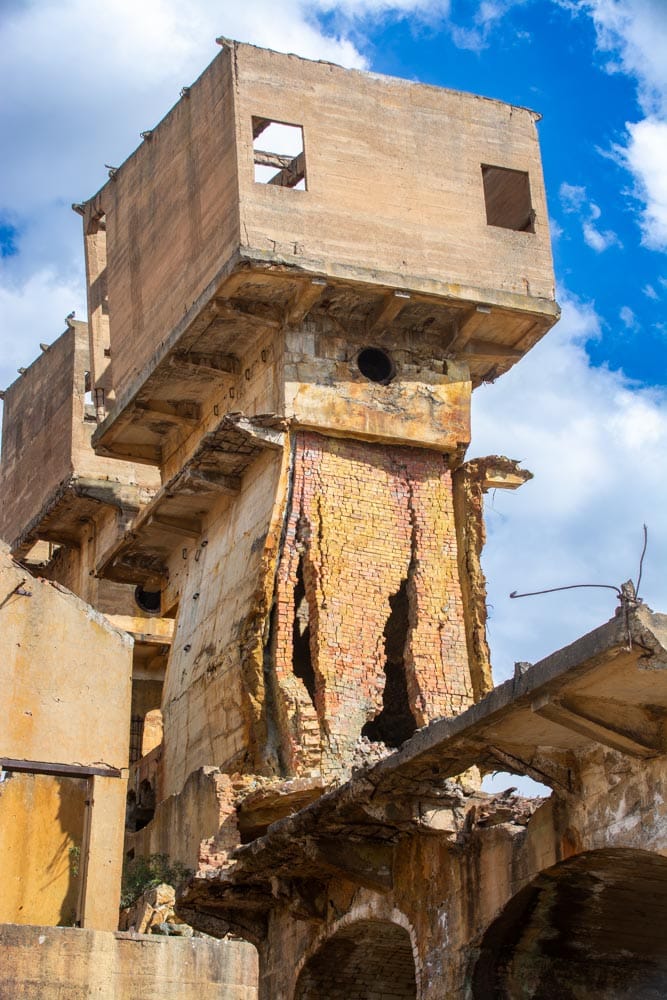
That is one of the things Lost Places do so well. They disturb our normal sense of time.
In active places, everything points forward. People build, repair, expand, improve, continue. In abandoned places, time stops obeying those rules. What remains is not simply old. It is suspended. A staircase leads nowhere, but still suggests footsteps. A wall stands, even though the life around it is gone. We find ourselves not just looking at ruins, but at interrupted intention.
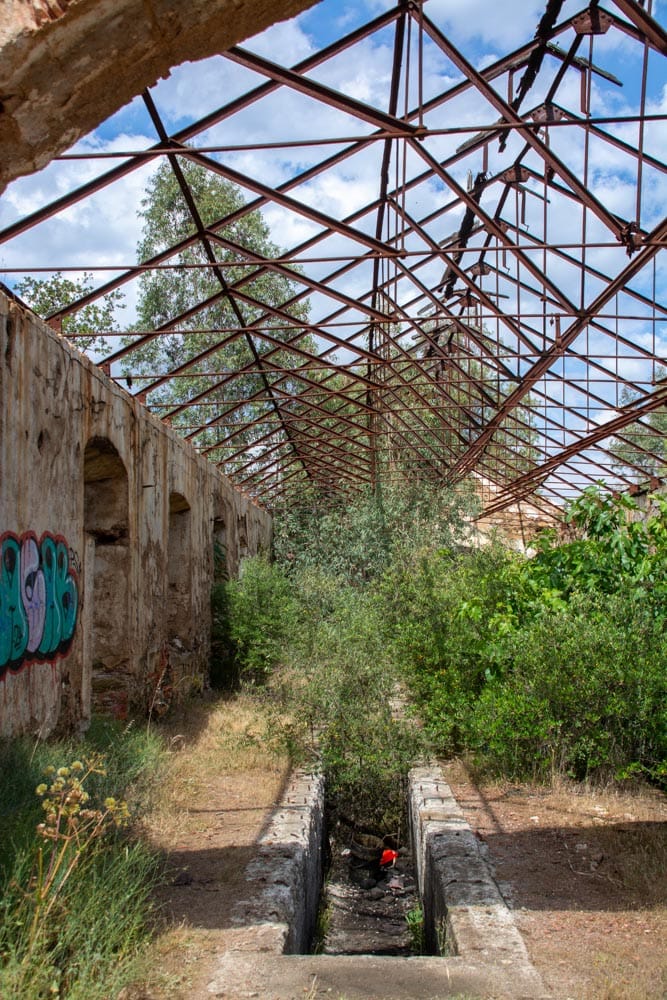
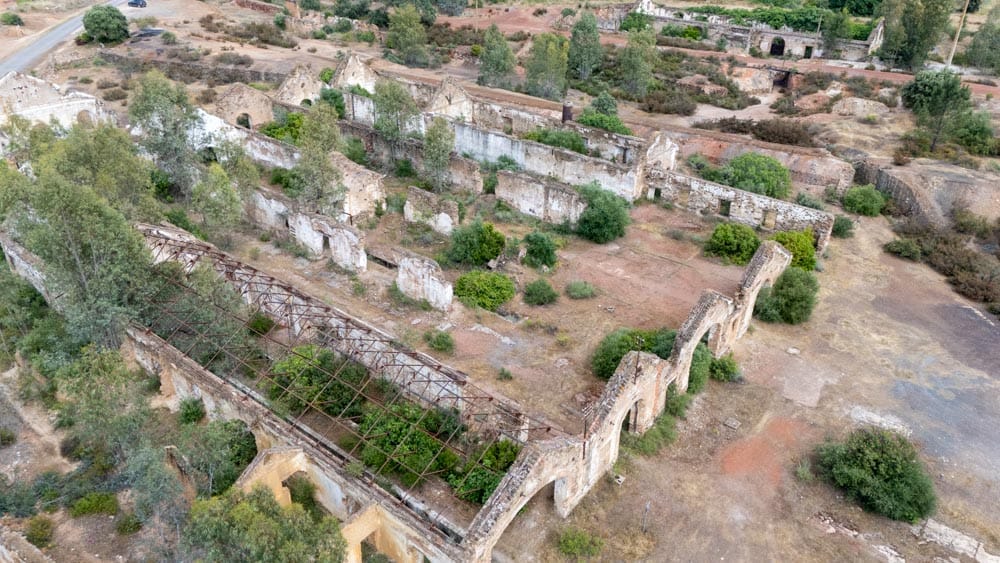
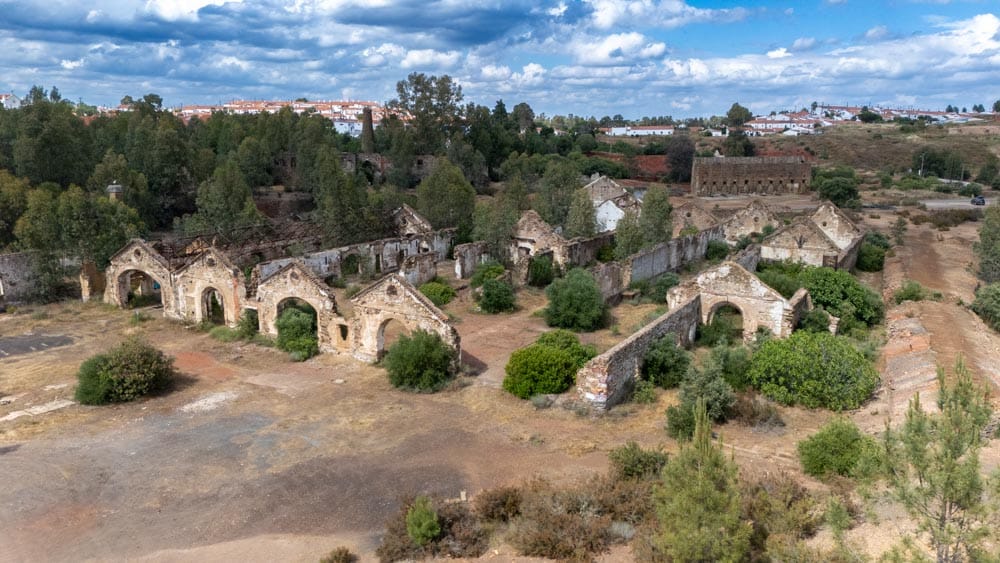
That is part of the fascination for us. Lost Places show us human effort without the noise that once surrounded it. No machines running, no voices, no shift changes, no daily routines. Just the traces. And stripped of activity, those traces suddenly become easier to read.
Mina de São Domingos was once one of the great mining areas of southern Portugal. For a long time, ore was extracted here, especially copper and sulfur-bearing material, and an entire industrial world grew around it: workers' housing, transport systems, furnaces, processing plants. A place of labor, technology, profit, and routine. Then came decline, closure, abandonment. What remains today is not only architecture, but the outline of an entire system that once held daily life together.
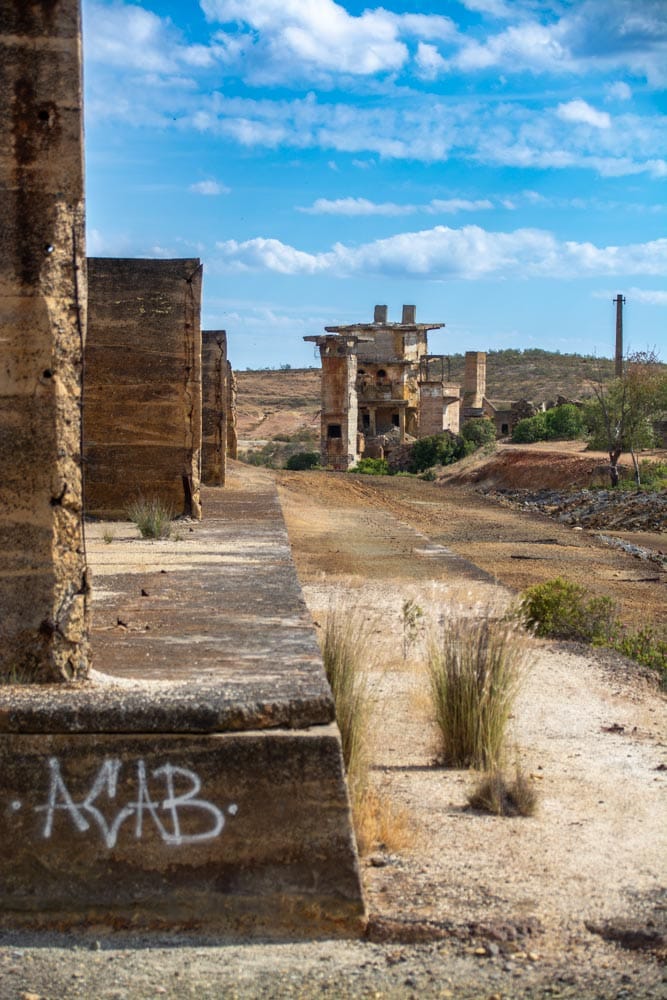
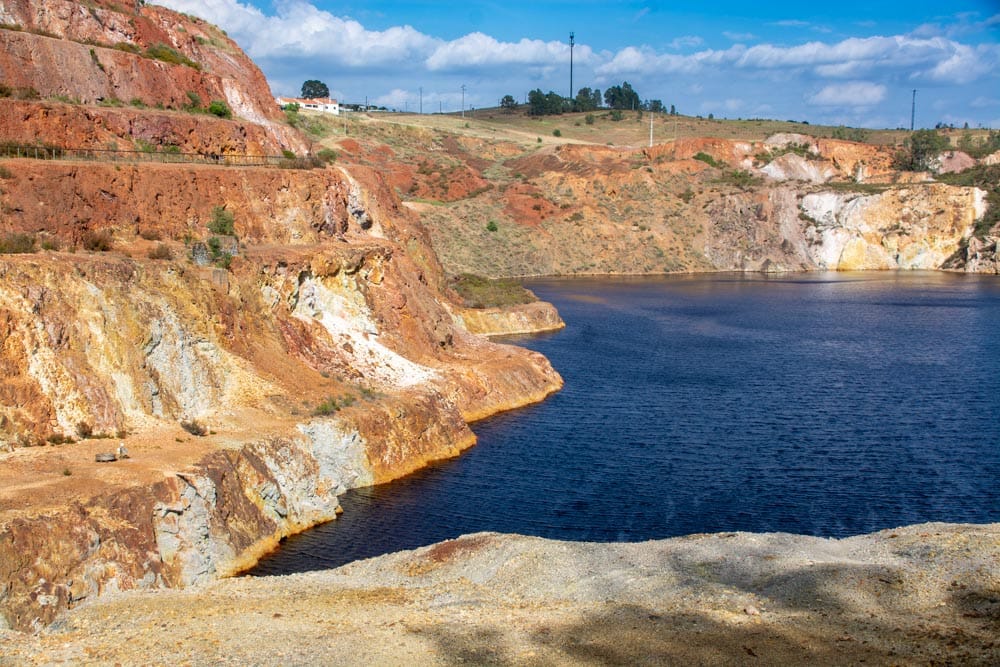
And yet when we stand there now, history is only part of what we feel.
The stronger sensation is physical. The ground looks drained, almost emptied out. Large stretches seem nearly vegetation-free, as if even nature needed time to recover from what happened here. The colors are what stay in my mind most intensely. Not soft landscape colors, not the kind that invite you to lie down in the grass, but harsh, almost unnatural tones shaped by mining, minerals, heat, dust, and exposure. Reds, yellows, pale browns, burnt shades that make the whole place feel both open and damaged. Beautiful, yes, but in a way that keeps a certain distance.
That tension is important. Lost Places attract us not because they are cozy, and not because we enjoy destruction for its own sake. What pulls us in is something quieter and more difficult to explain. It is the feeling that a place still carries meaning, even after its original purpose has gone.
When a place is fully in use, it often hides itself behind function. You see what it is for. At a Lost Place, function falls away, and something else becomes visible. The ambition that built it. The amount of work it required. The confidence people once had in its future. And then, just as clearly, the fragility of all of it.
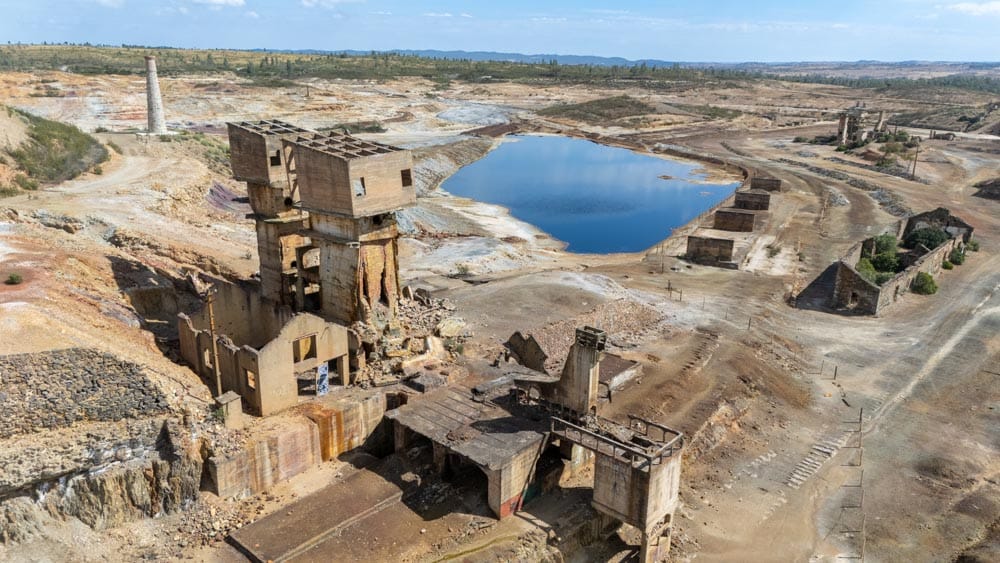
That may be the real lesson hidden in many ruins. Not tragedy in the grand sense, but impermanence. How much energy human beings can pour into a place. How complete a world can feel while it lasts. And how little it can take for that world to stop. A market changes. A resource runs out. An industry moves on. A few decades pass. Roofs open, metal corrodes, windows vanish, weeds arrive, walls soften, paths disappear. Nature does not rush. It simply begins again.
We felt something similar in Catalonia, where abandoned villages and crumbling ruins seemed to sink back into the landscape, slowly and almost quietly reclaiming their place in nature.
And in Morocco, where the remains of Meski carried that same quiet sense of a place no longer lived in, but not entirely gone.
That is why these places rarely feel dead to me. They feel transitional.
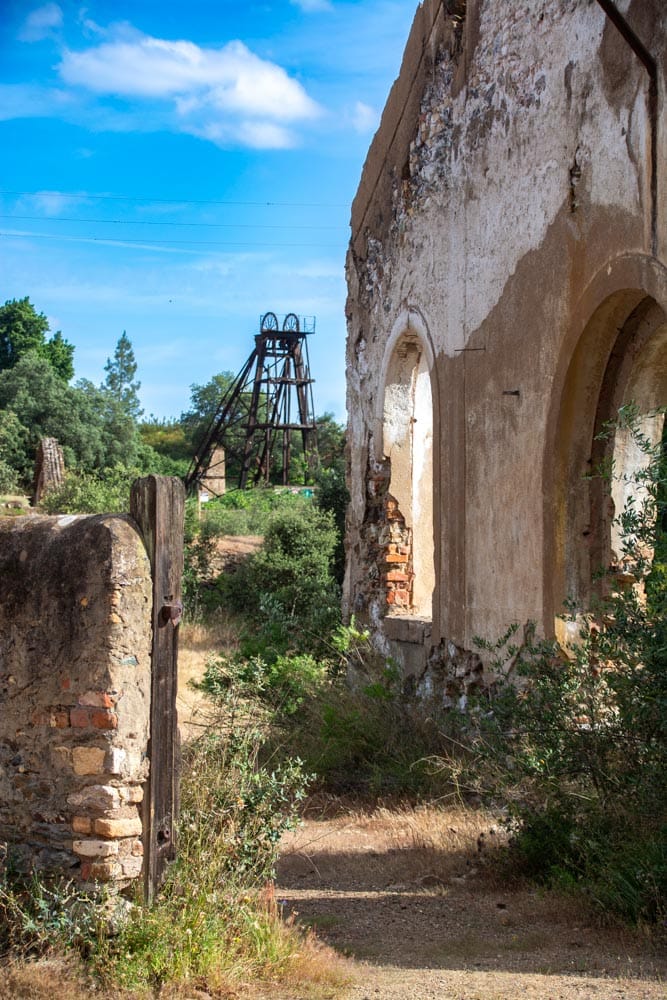
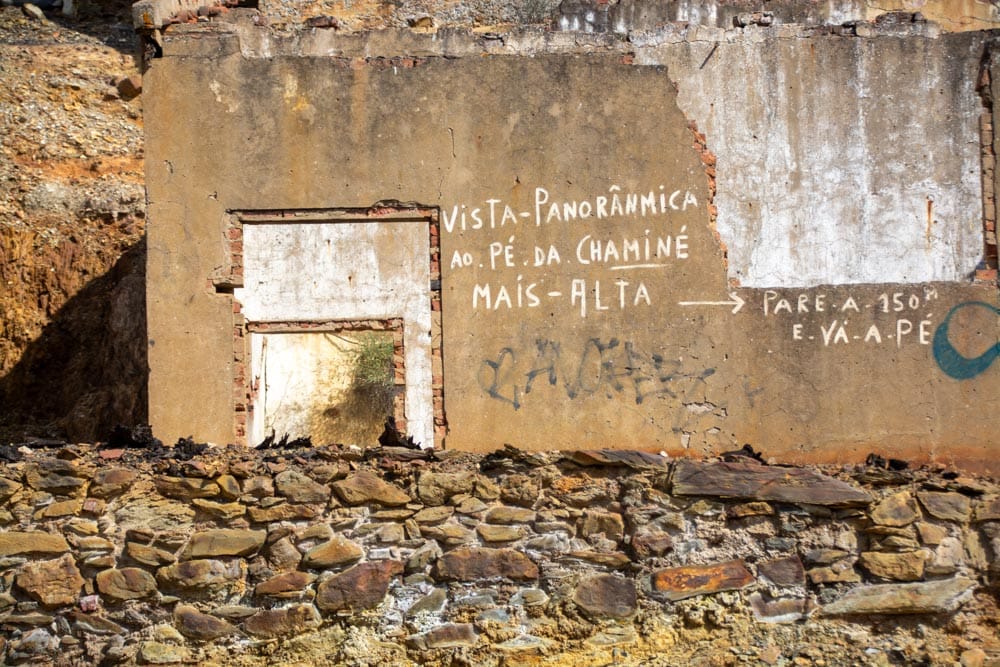
Even here, where the ground still seems marked by extraction and exhaustion, you can sense that slow return. Not a romantic green miracle, but a patient reclaiming. Wind, dust, weather, small plants, silence, heat. Nature does not argue with what happened. It just keeps working at a different pace.
We stood there for a long time without saying much. Lost Places ask for attention, not consumption. You cannot rush them. The most interesting part is often not the obvious ruin itself, but the atmosphere around it. The feeling that something remains to be understood, even if no sign explains it. Or maybe precisely because no sign explains it.
I often think curiosity is the most honest reason to visit places like this. Not grief. Not thrill-seeking. Not some staged fascination with darkness. Just curiosity. Who worked here? What did their days look like? What did this tower look like when it was stable? Why does the place still speak, now that almost everything practical about it is over?
That is the larger reason Lost Places fascinate us. They are never only about the place itself. What draws us in is the bigger pattern behind it. Human ambition leaves marks. Time loosens them. Nature moves back in.
Maybe that is why driving in with Emil felt so right. We did not arrive through a polished entrance or a curated visitor route. We came in slowly, over rough ground, into a place that had been left to itself. Lost Places are not usually about arrival in the tourist sense. They are about entering a conversation that has been going on without us, between history, weather, material, and memory.
You do not have to know every historical detail to feel the weight of such a place. But it helps to know that people built lives around this mine, that industry shaped the land, that the settlement and the extraction site were once part of a functioning world. That knowledge gives the ruins depth. It reminds us that abandoned places are not abstract. They were ordinary once, which is exactly what makes them extraordinary now.
And maybe that is the final reason we keep seeking them out. Lost Places let us see time made visible. They show us that nothing we build is entirely permanent, but also that nothing disappears without leaving something behind.
If we are quiet enough, attentive enough, curious enough, we can still hear the story behind the ruins.
Explore. Dream. Discover.