
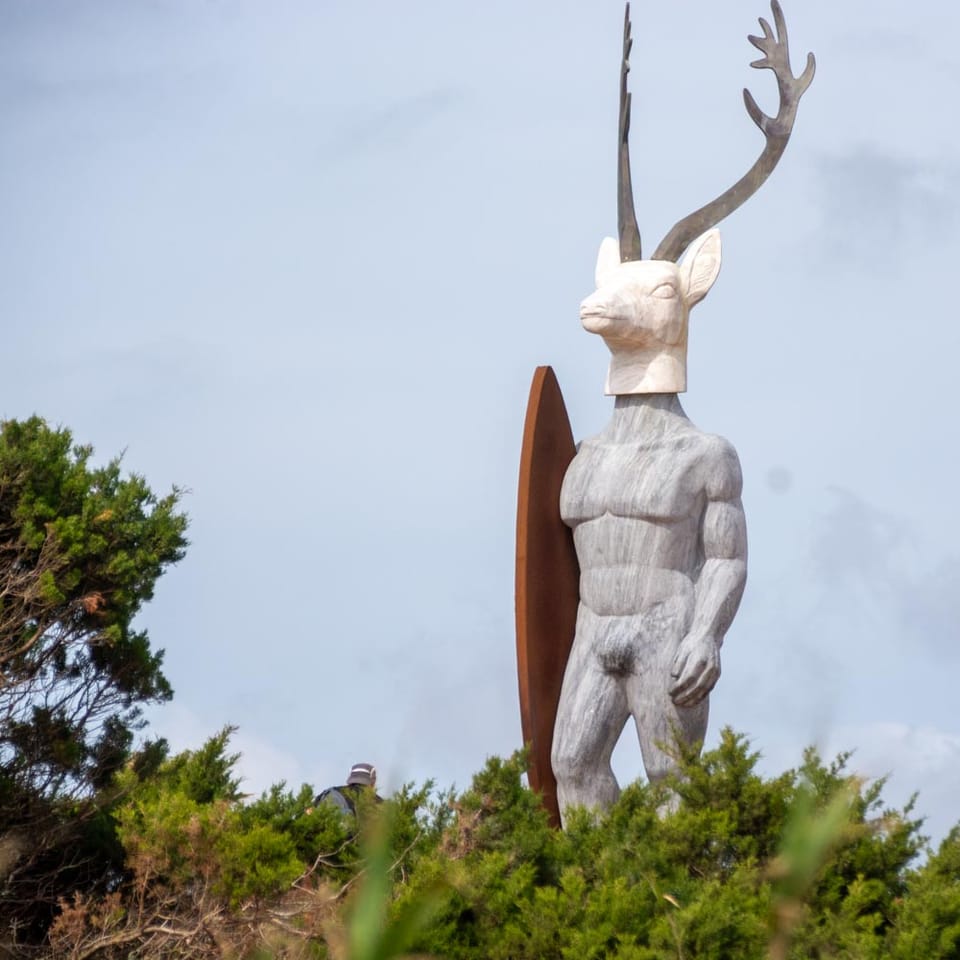
Belmonte, Nazaré, Broken Glasses, and the Joy of the Unknown

Two days ago we walked through Belmonte, a small town in central Portugal that seems to hold history quietly rather than perform it.
The streets were calm, the light had that soft inland brightness, and the whole place invited the kind of journey that has no real purpose beyond looking, pausing, and letting your thoughts drift a little further than usual.
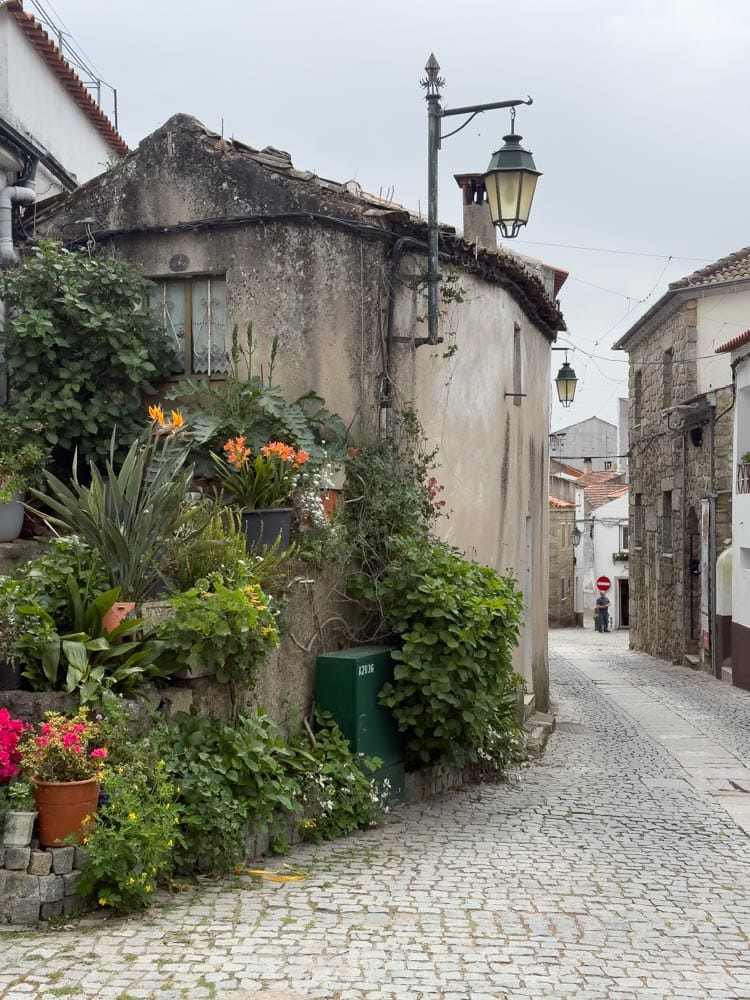
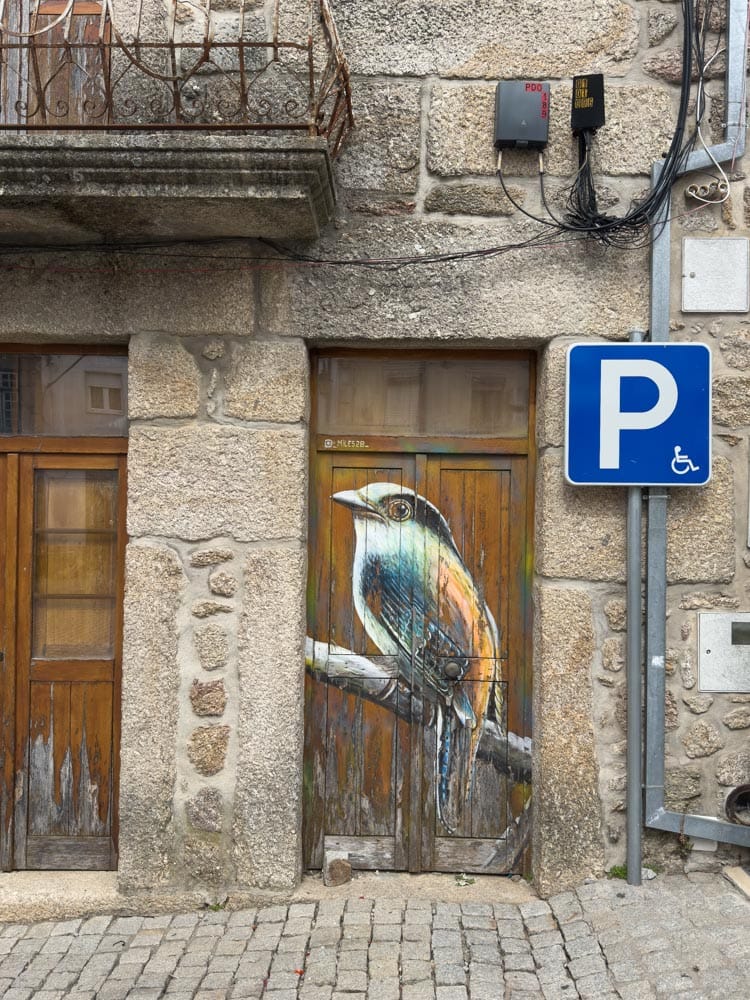
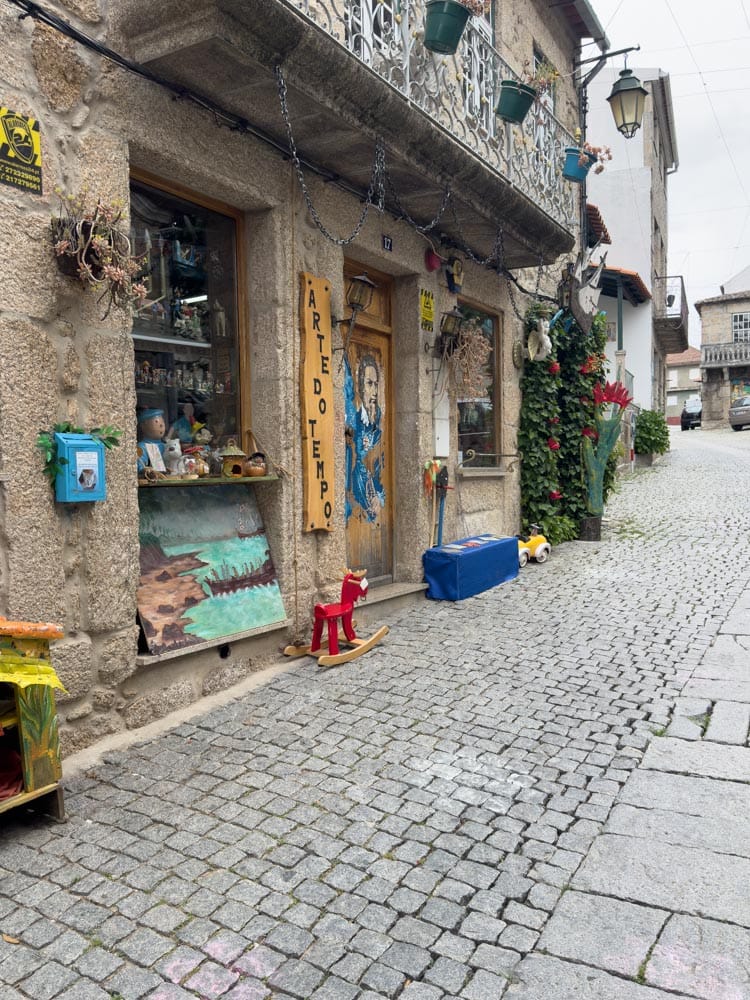
Impressions from Belmonte.
Belmonte is associated with Pedro Álvares Cabral, the Portuguese nobleman who led the 1500 expedition that reached Brazil. That fact alone is enough to change the air of a place, at least if you are susceptible to that kind of thing. You walk through a town linked to one of those early voyages and it becomes strangely easy to imagine a world before maps were finished, before coastlines were neatly filled in, before distant places were softened by familiarity.
It is one thing to read about exploration in a history book. It is another to stand in a quiet town and remember that, centuries ago, people really did climb into small wooden ships and push out toward waters they did not fully understand. They traveled astonishing distances with fragile tools, incomplete knowledge, and no guarantee of return. What drove them must have been some volatile mix of trade, ambition, faith, curiosity, restlessness, and that very human urge to test the edge of what was known.
The motives were not pure, and the history is not romantic in every respect, but the force behind it is still recognizable. People want to go and see.
Modern travel is, obviously, not that. We find camp sites online, check routes in seconds, and complain when the wine is bad or the Wi-Fi weak. The dangers are not comparable. The comfort is much greater. But I think the emotional engine still rhymes with those historic journeys. We travel because we are curious. Because we want to be surprised. Because some part of us is tired of staying inside the same familiar outline of life. We travel not only to see new places, but to discover what happens to us when the road slips a little beyond our control.
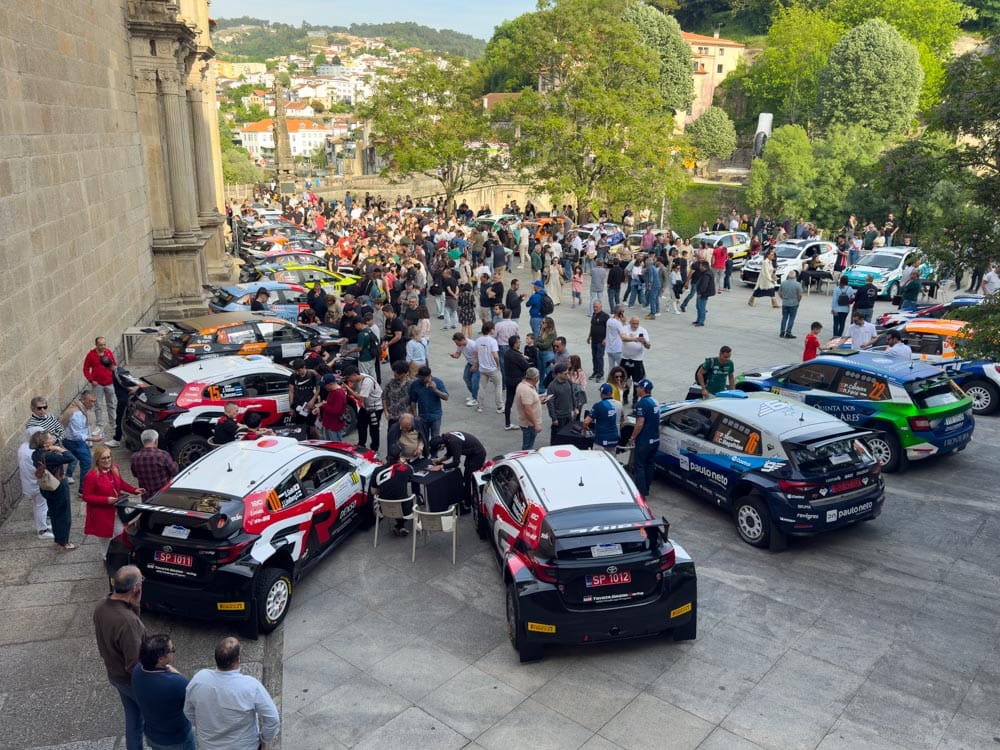
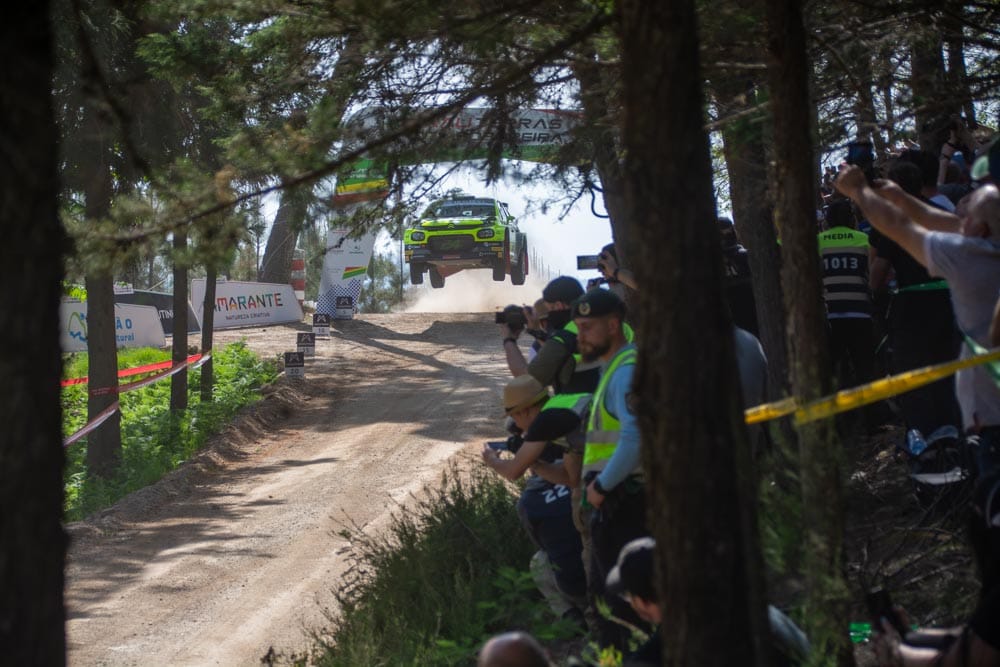
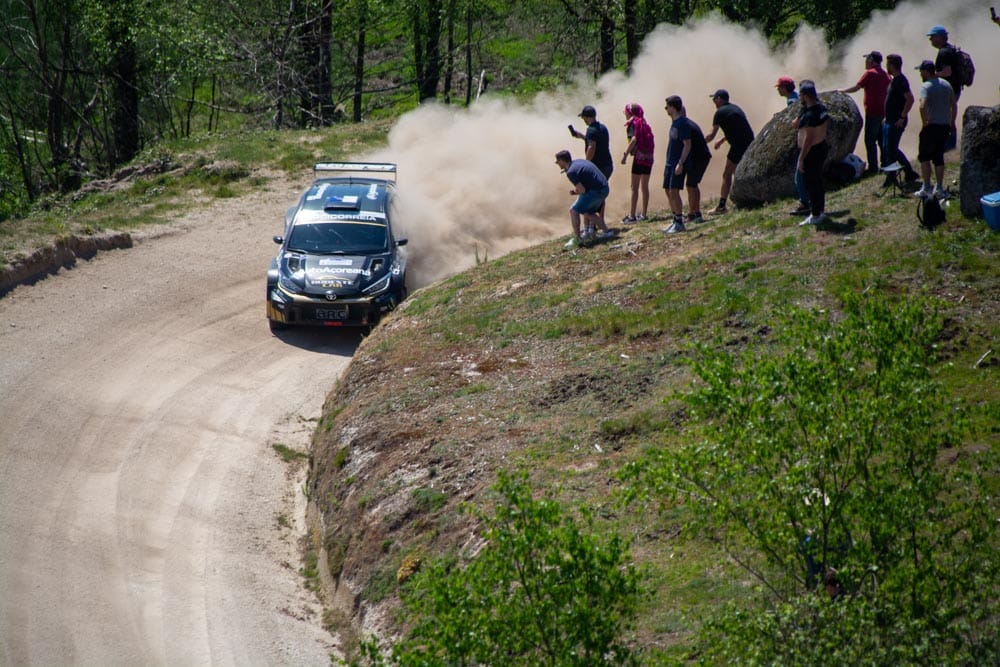
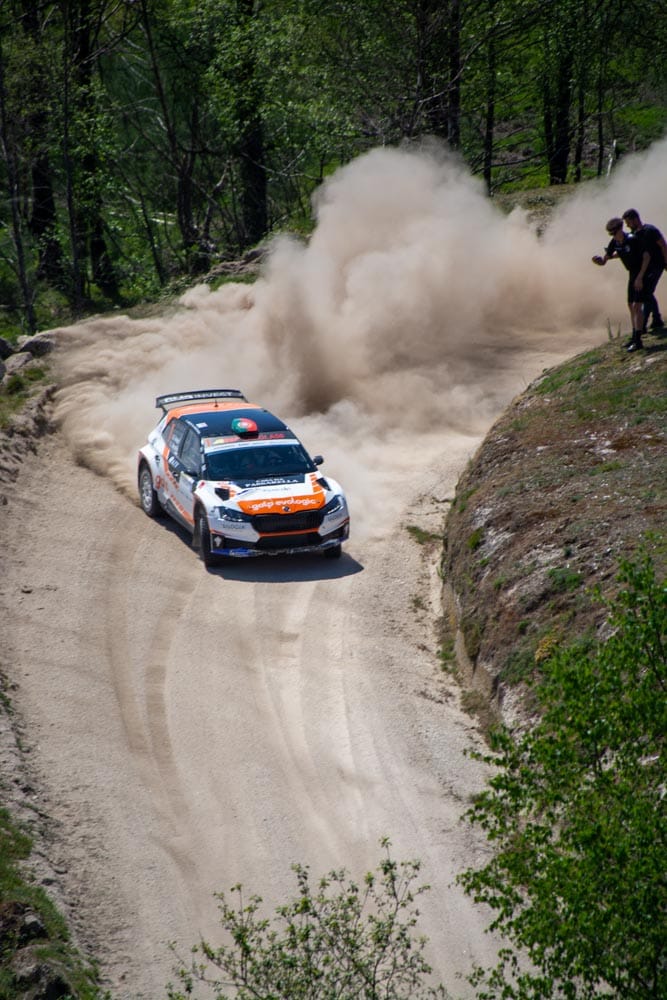
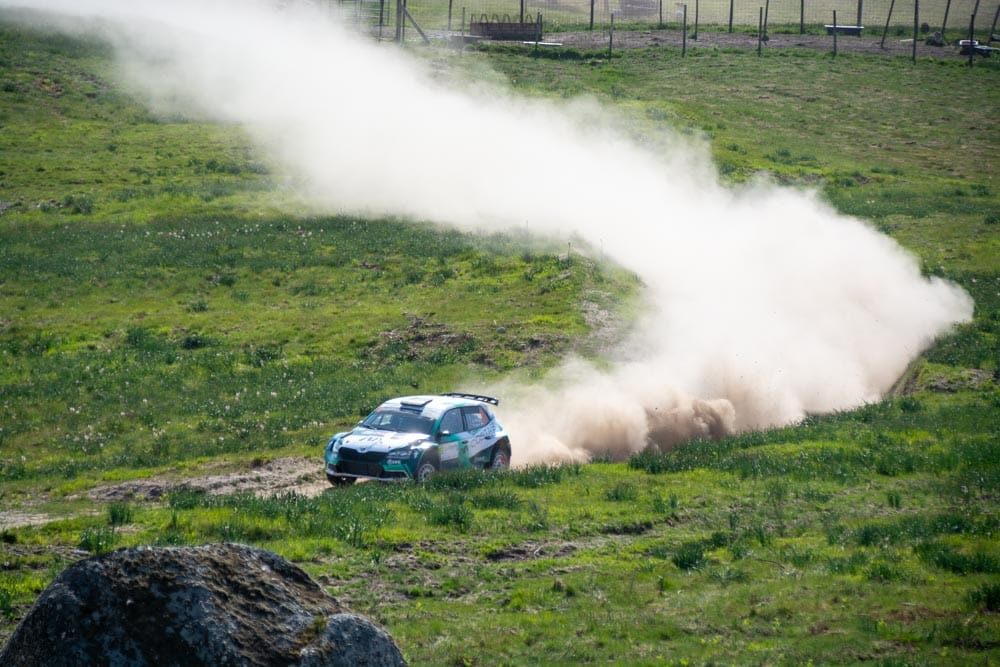
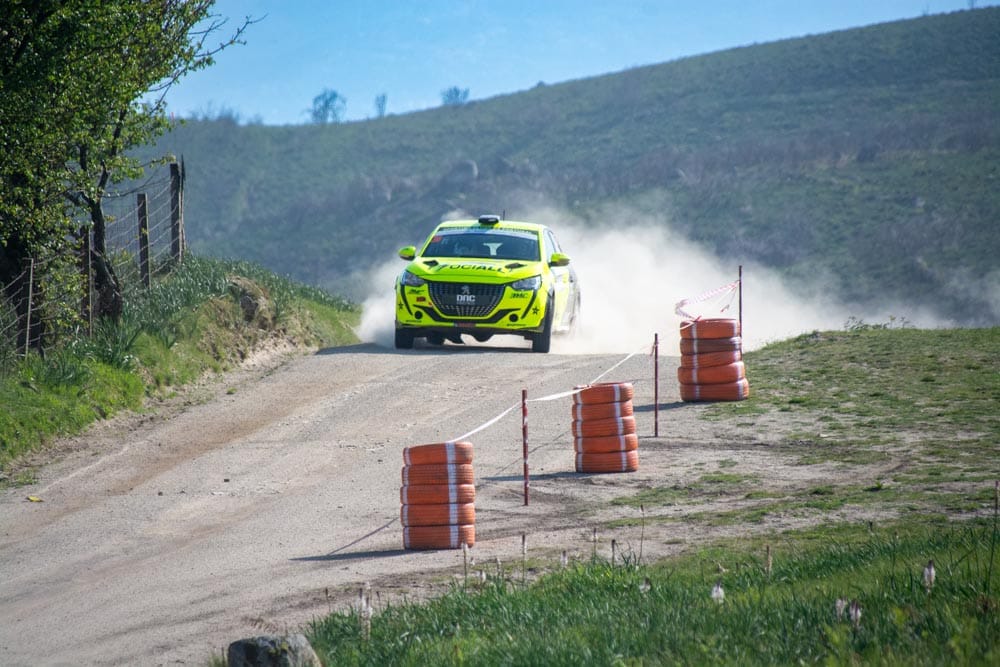
By coincident we camped next to a rallye race track.
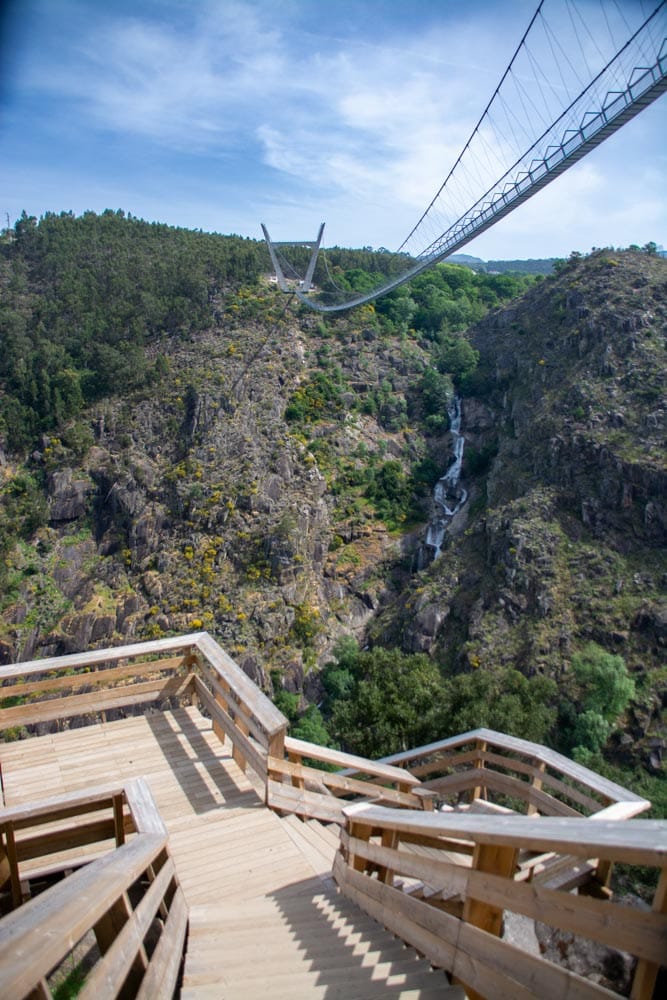
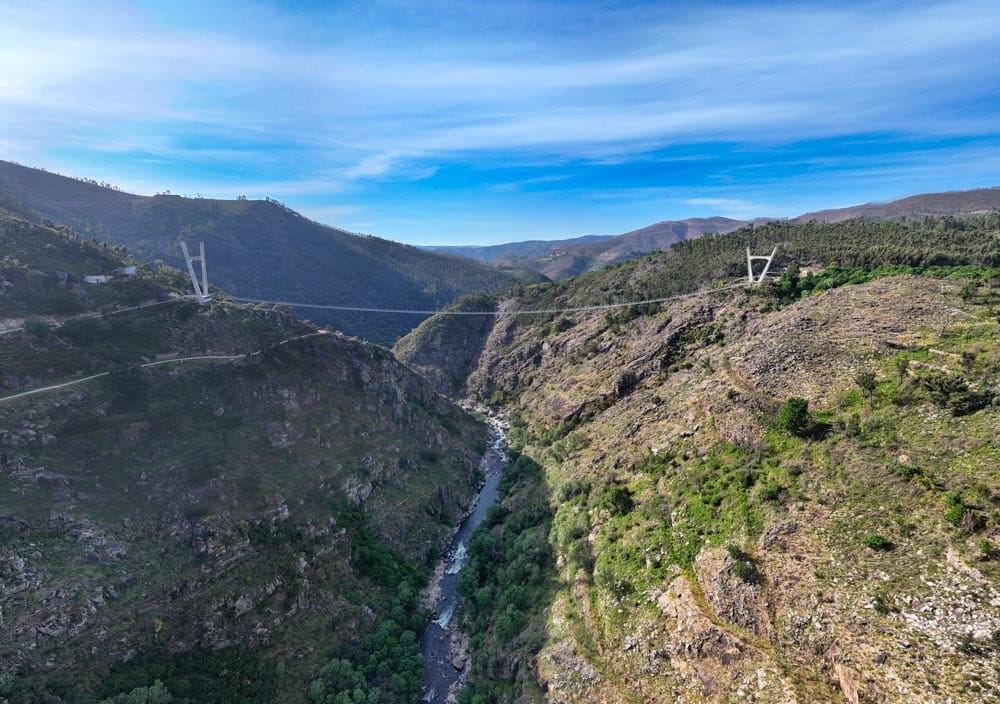
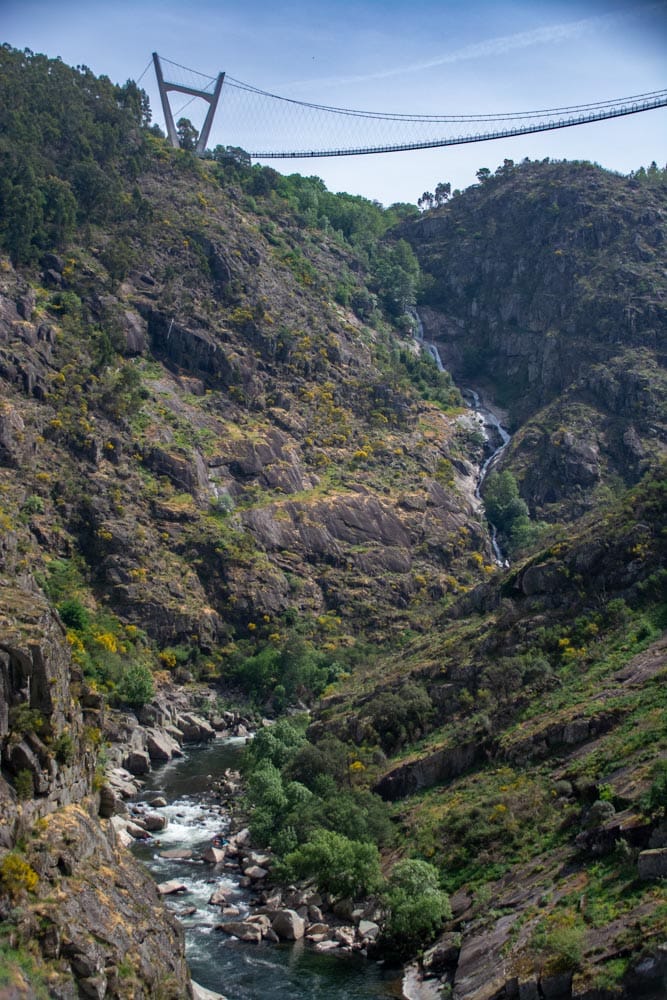
Those surprises are why travel remains so exciting to us. Not because things go smoothly, but because they often do not. You experience the unexpected. Like an offroad rallye or a hike to a suspension bridge which spans a whole alley.
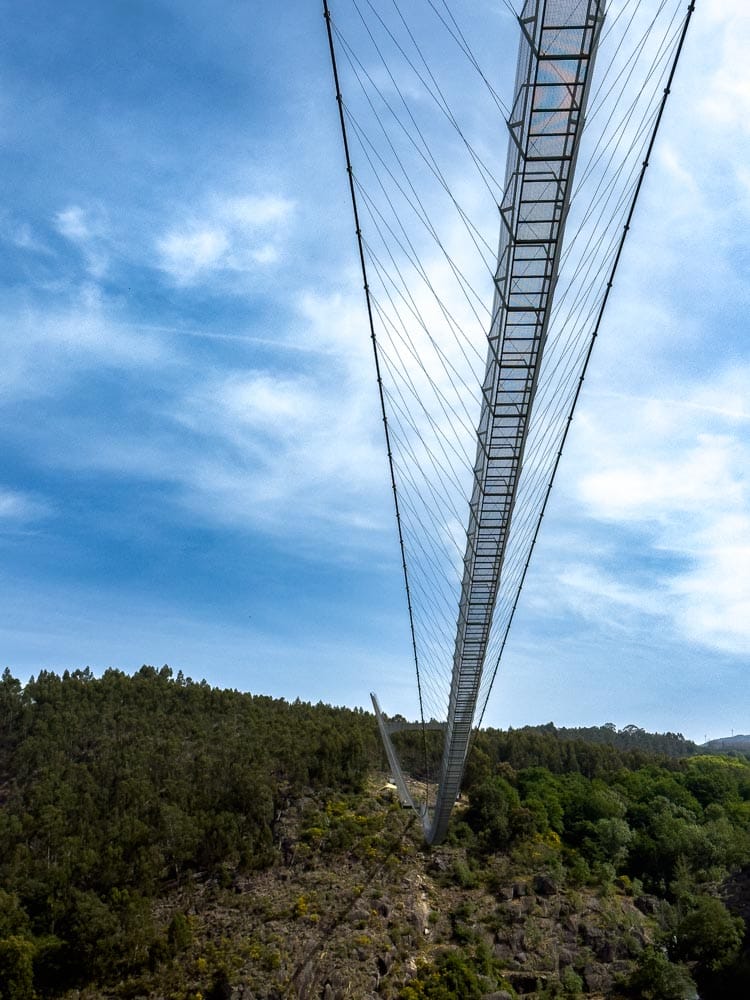
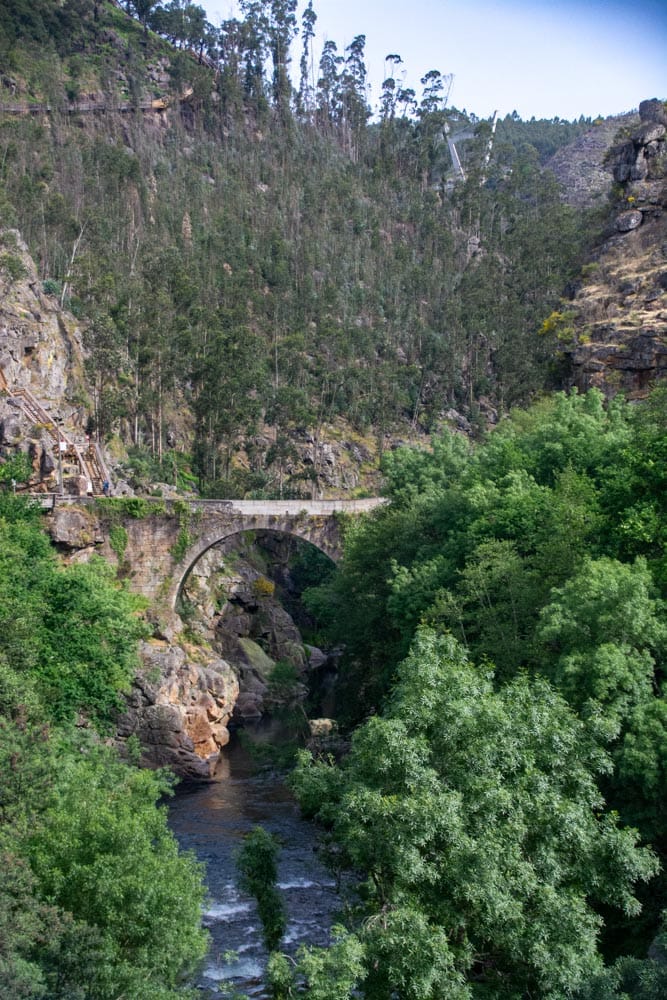
That thought was still in the air when Belmonte decided to make it concrete.
We were out walking in Belmonte when, with almost no warning, a small whirlwind came through. Not a dramatic storm, not one of those cinematic weather events that gives you time to brace and point. Just a sudden, violent twist of wind that seemed to assemble itself out of nowhere. One second we were strolling, the next it hit me full in the face.
My glasses lifted straight off my nose.
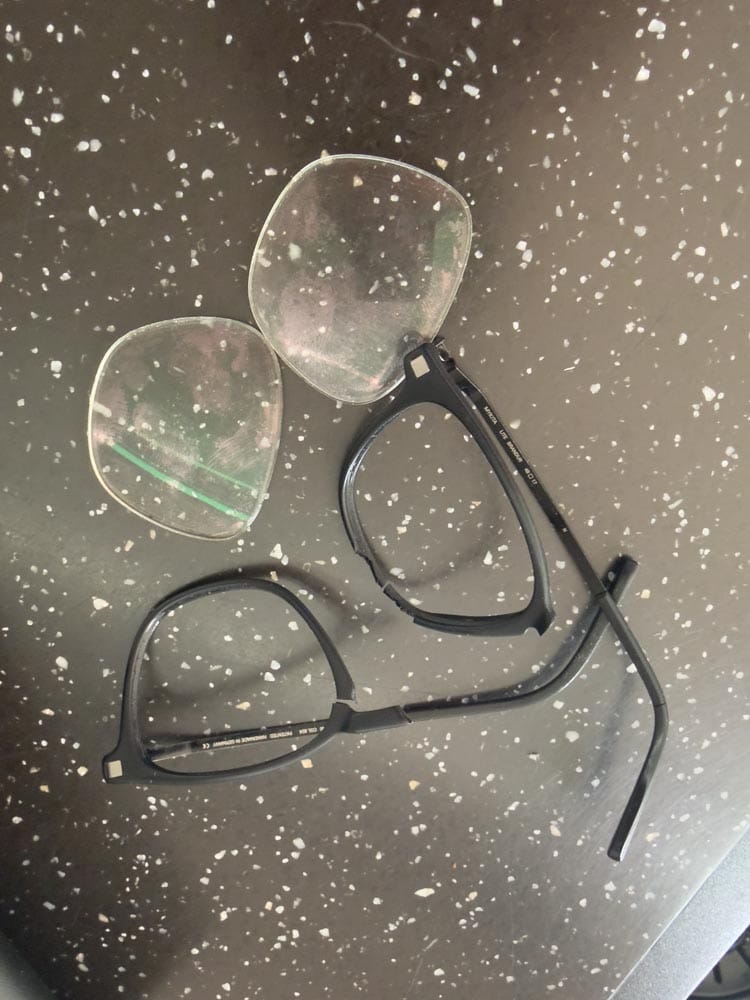
There was a strange half-second in which I saw them not as my glasses, but as an object belonging to the wind. They flew, hit the asphalt, and broke apart. Frame, lenses, pieces, all suddenly separate. We spent the next several minutes in that very specific kind of practical panic, scanning the ground, retracing the invisible path of impact, trying to think like a disaster scene investigator for prescription eyewear.
We found bits of the frame first. Then one lens. The second lens had vanished completely. For a while it seemed possible that it was simply gone, taken by the same gust that had started the whole mess. But eventually we spotted it, absurdly far away, maybe ten meters off, behind a fence. I still do not entirely understand the physics of how it got there. The wind must have caught it just right and sent it skittering off on its own private journey. Somehow, though, we recovered both lenses.
That was the good news. The bad news was that having all the pieces of a broken pair of glasses is not the same as having glasses.
For two days, sunglasses were my only workable option, which left an impression. There are only a few things that make you feel more annoying than wearing dark glasses into the evening because you have no better alternative. I am fairly sure some people took me for exactly the kind of jerk who insists on maintaining a mysterious aura long after sunset. In reality I was just trying to see.
We drove south with a new and slightly strange mission. We headed on to Nazaré, a larger town at the coast, where we hoped we might find an optician who could rescue the situation.
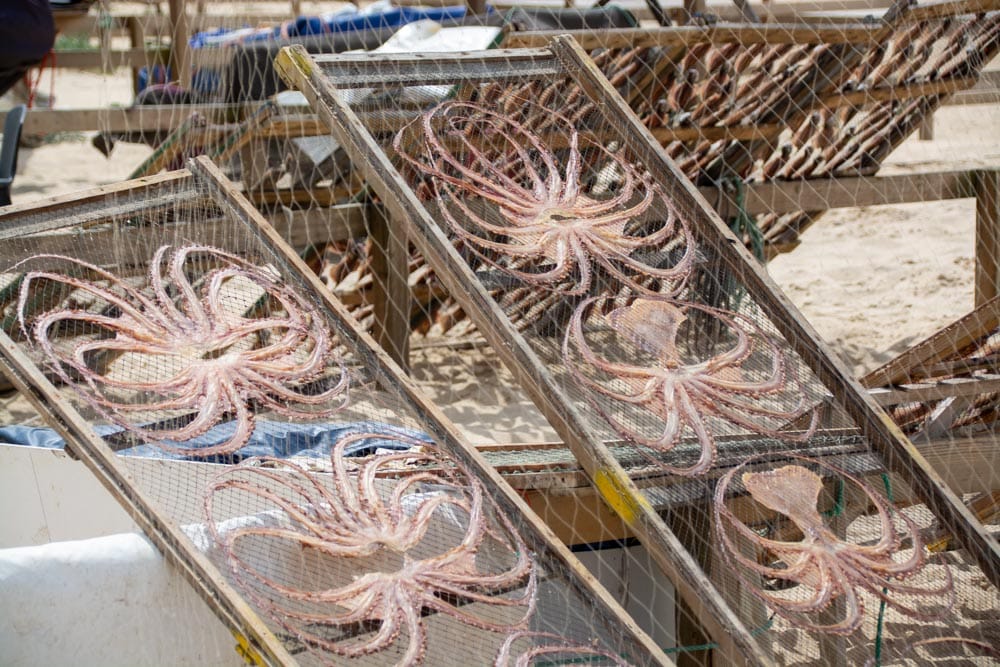
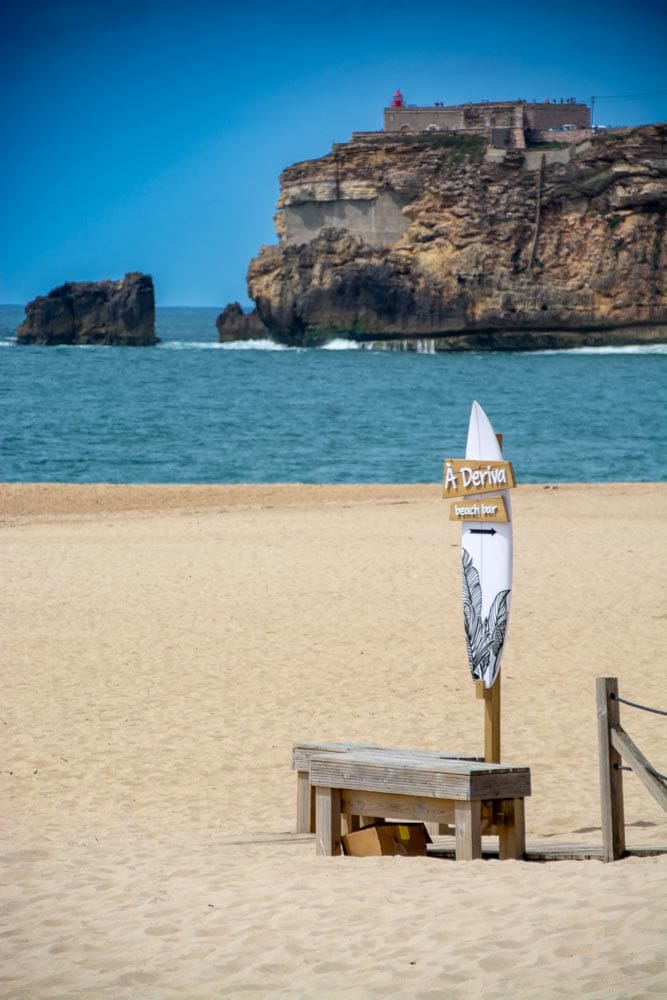
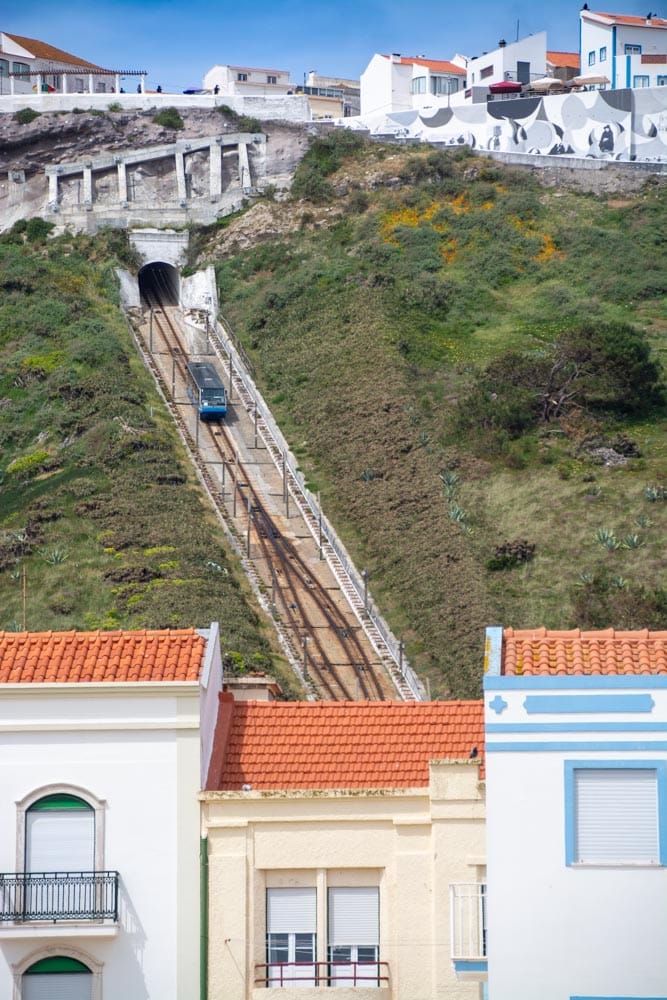
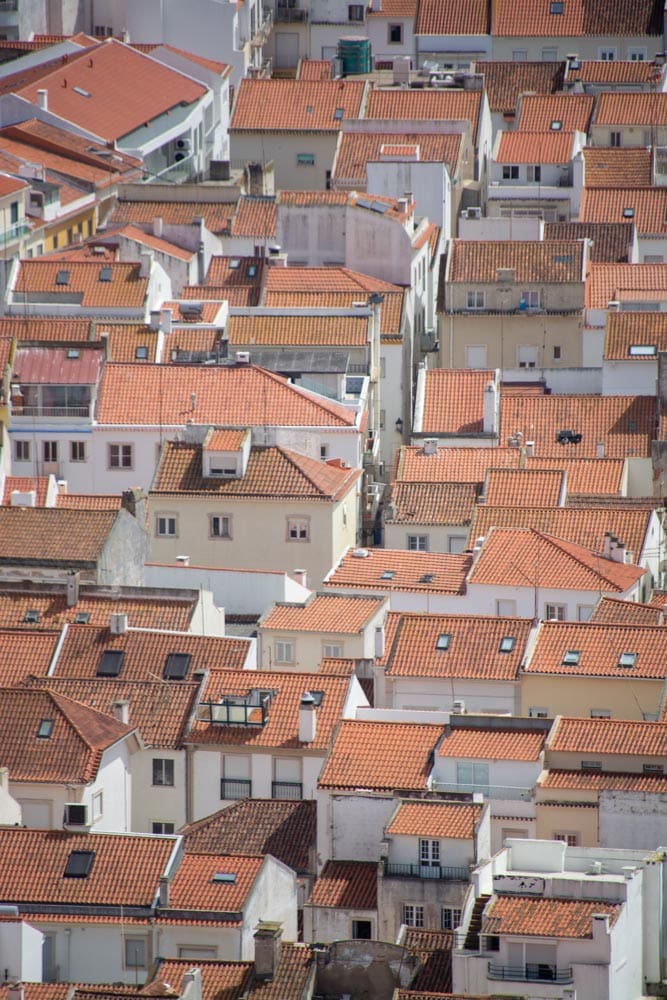
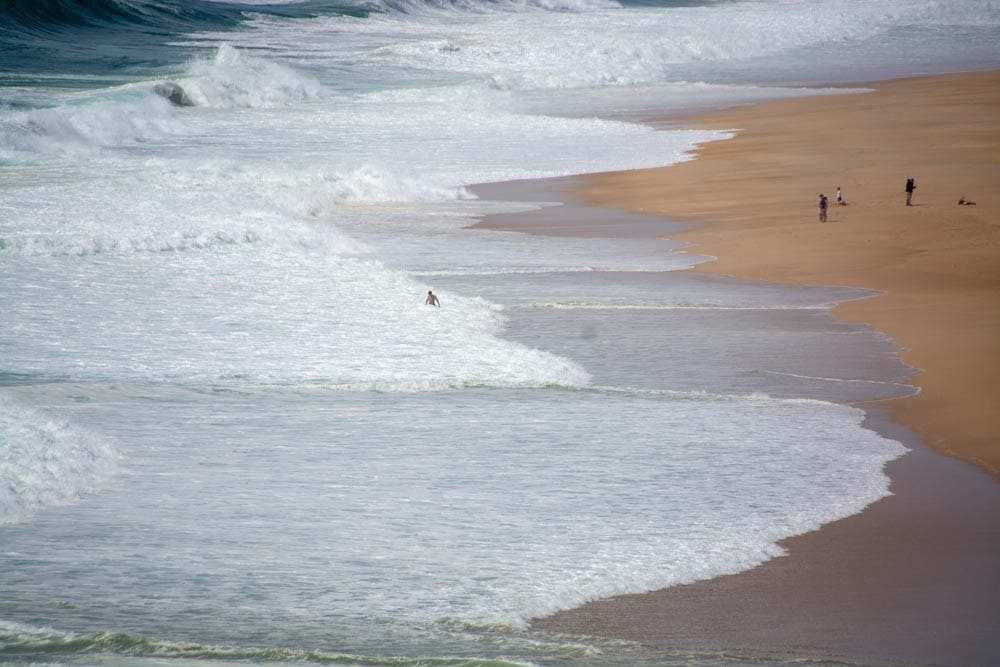
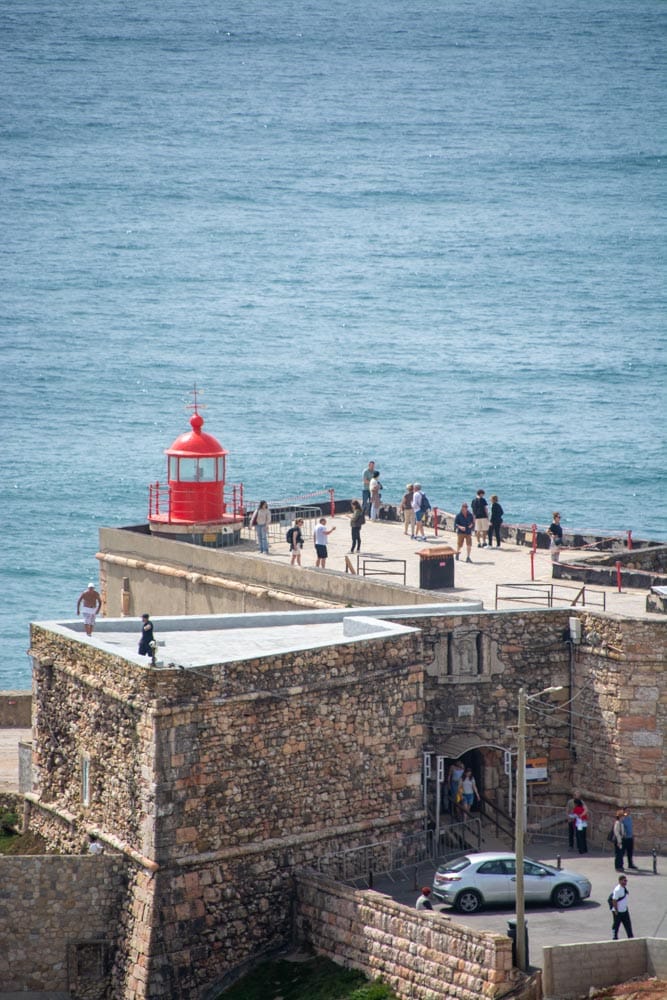
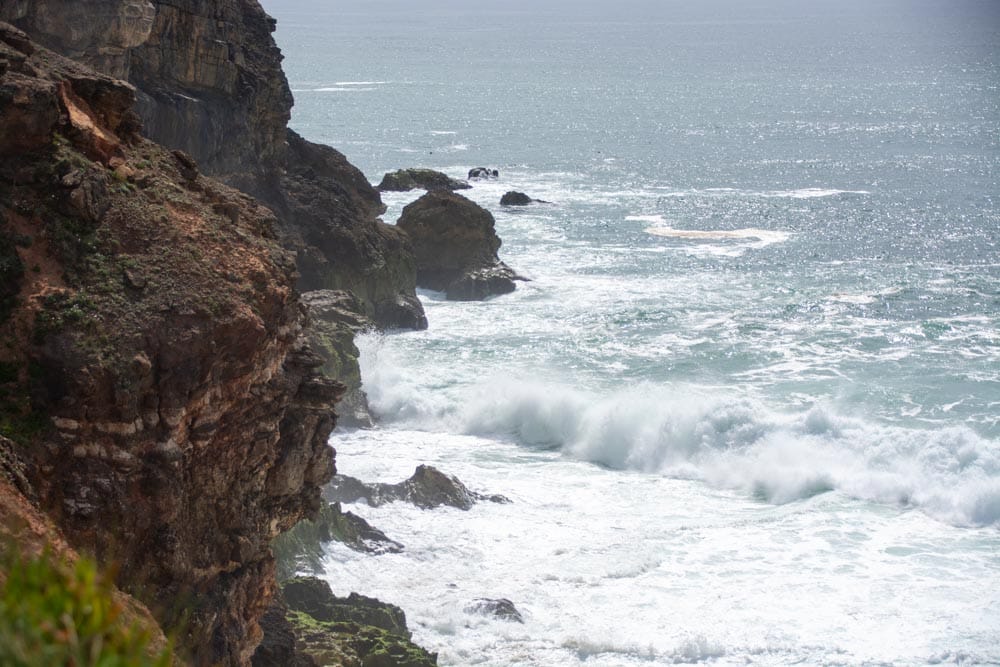
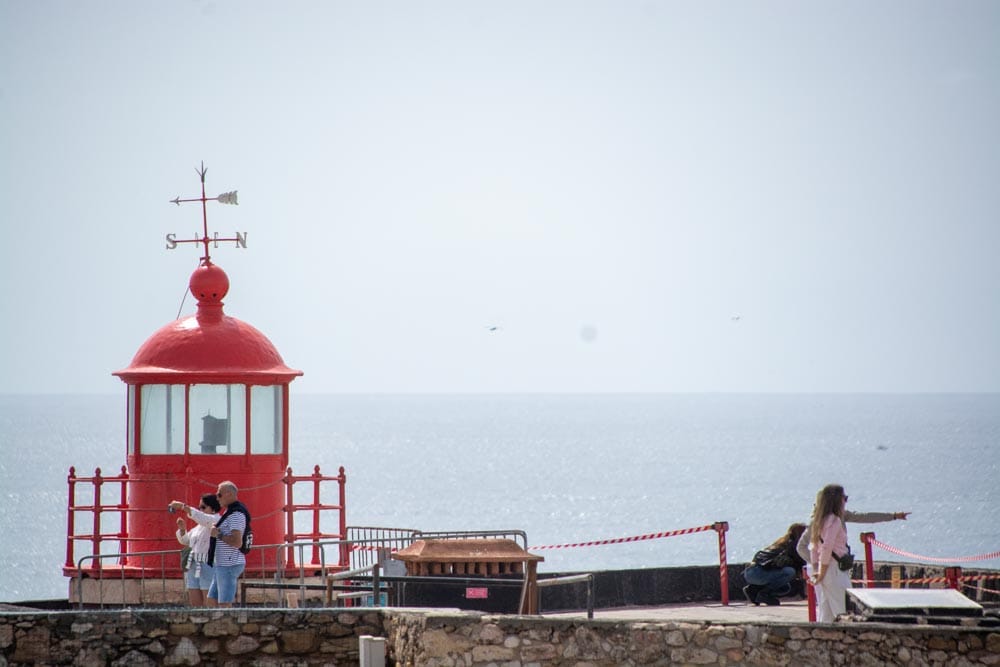
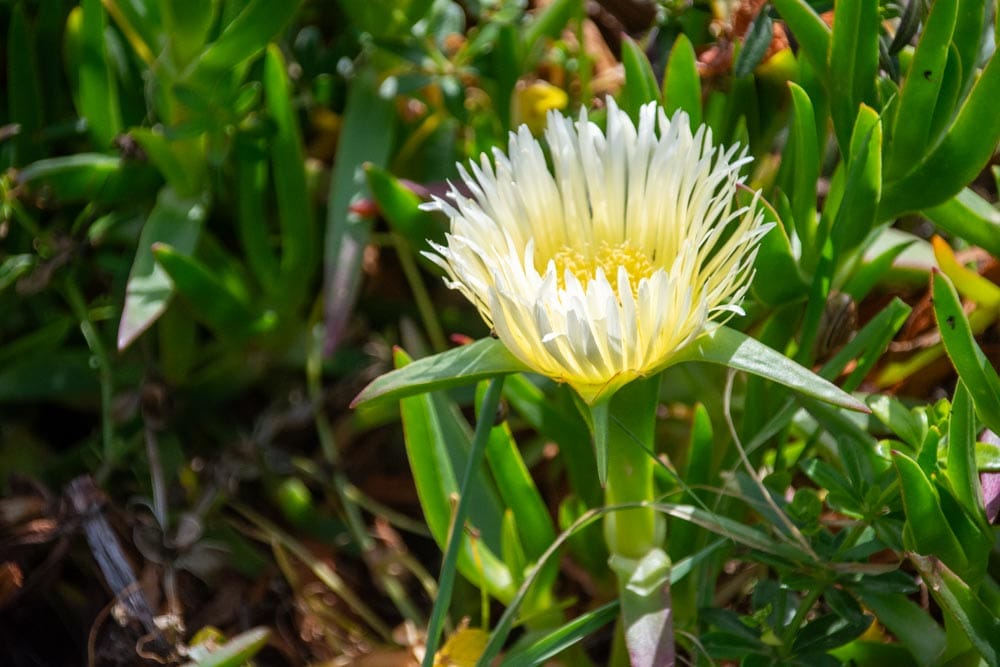
Impressions from Nazaré.
The plan sounded simple enough: find a smaller frame, have someone adapt the old lenses, and carry on. Travel, as always, let us believe briefly in the elegance of our own problem-solving skills.
But the first shops we visited gave us the same answer. No, they no longer had the in-house tools to grind or sand lenses. No, they could not reshape the old ones to fit a different frame. It was one of those thoroughly modern disappointments, where a thing that feels like it ought to be straightforward turns out to belong to a more hands-on past. The service exists in theory, somewhere, but not here, not now, not in the practical way you need when you are standing in the shop half-blind and hopeful.
Then, in the third optician, luck turned.
He brought out a frame that was, astonishingly, exactly the same shape as the old one. Not approximately. Not close enough if you squinted. The same shape. It felt like one of those tiny travel miracles that would sound invented if the stakes were not so ordinary. And then, with some heat and a bit of careful adjustment, he made it work. The old lenses went in. The glasses held. Suddenly, after two mildly disorienting days, I could properly see again.
The relief was enormous, out of all proportion to how small the object itself is. Anyone who wears glasses knows this feeling. Glasses are so ordinary that you forget their importance until they fail you. Then the whole world goes slightly abstract. Distances blur. Reading becomes negotiation. Faces lose edges. You realize how much of your calm depends on a few grams of plastic and glass sitting where they belong.
That is exactly why the whole episode feels inseparable from Belmonte.
We had spent the day thinking about explorers, about voyages into uncertainty, about the old human desire to head out beyond the known world. Then the known world, in a much smaller and funnier way, broke apart at our feet. No shipwreck, no perilous sea route, no heroic endurance. Just a freak gust, a shattered pair of glasses, a lens behind a fence, and a practical hunt for an optician in the next town. The stakes were low by historical standards, but the pattern was familiar: you set out for one experience and are handed another. You adapt.
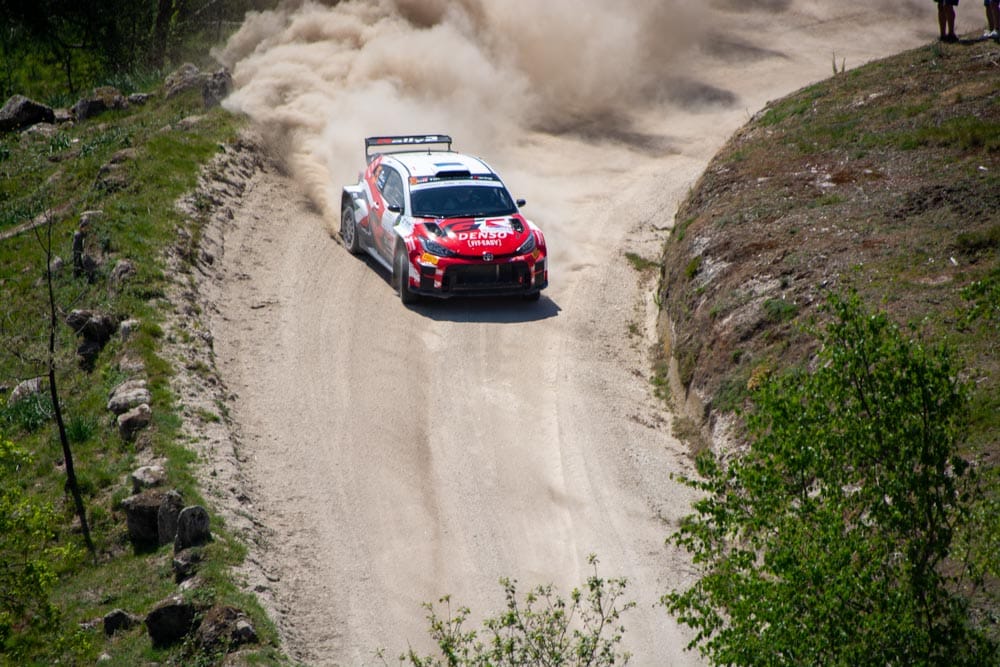
Beyond showing new places, travel teaches to handle the unknown.
This is why travel remains so exciting to us. Not because things go smoothly, but because they often do not. You experience the unexpected.
And sometimes the unknown arrives as a sudden whirl of wind in a quiet Portuguese town, lifts your glasses off your face, and reminds you, very efficiently, that this is part of the deal.
Explore. Dream. Discover.