
What Narrow Roads Taught Us About Love

There are roads in the Iberian peninsula that can turn me into a difficult passenger within seconds.
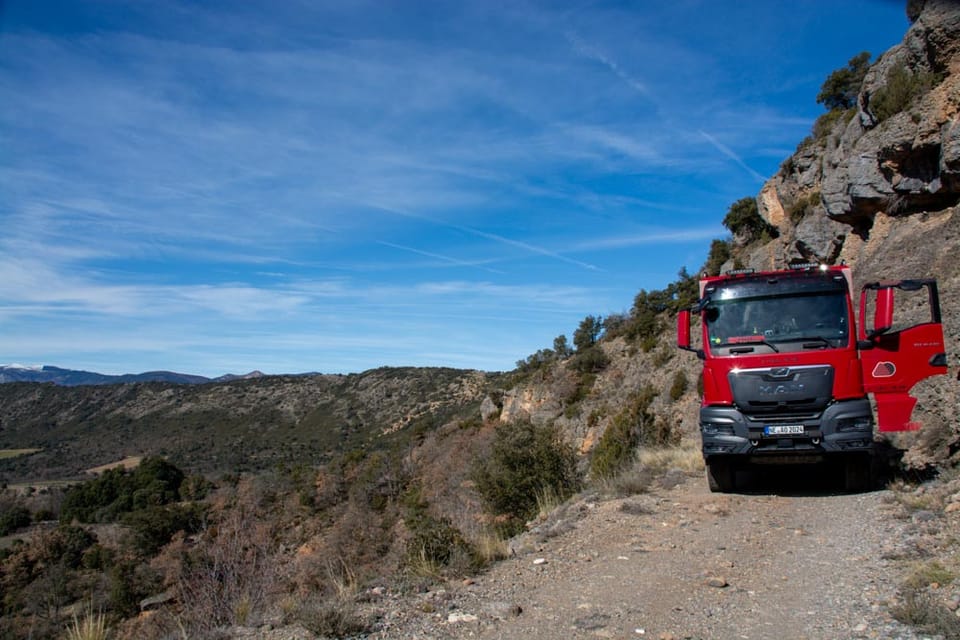
These roads are narrow, uneven, sometimes steep, sometimes lined with stone walls, sometimes with the feeling that one wrong move would end with us in a ditch. Annika drives them with a calm precision I genuinely admire. She sees the road, judges the space, stays focused, and usually does exactly the right thing.
I sit beside her and imagine disaster far earlier than reality requires. This is one of my weak spots. I know it.
The tension in those moments is often not created by the road itself. It comes from my perception of it. Annika is not reckless. She is competent. Clear. Steady. And from the passenger seat, especially on narrow serpentines with rock on one side and a drop on the other, my mind can become very loud.
It is not the most romantic scene you could imagine inside a rolling home. But maybe that is exactly why it belongs here.
Because when people hear we live and travel together in a small truck, one question appears quickly: does that not become difficult?
Of course it does, sometimes. But not always in the ways people expect.
Living closely has not automatically made our relationship harder. If anything, it has made certain things more visible. What holds up. What irritates. What each of us needs. What kind of silence is easy, and what kind of silence is not. The road has not saved anything. It has simply exposed, more clearly, what was already there.
We do not need to turn closeness into constant togetherness.
Sometimes one of us goes for a walk while the other stays back and reads. Sometimes Annika is happy in the quiet while I still have a little energy left that needs somewhere to go. Sometimes being good together means not insisting on sharing every hour in the same way.
That sounds simple, but I do not think it is trivial. Many of us confuse love with permanent overlap. We think closeness means doing everything side by side. But often it is the opposite. Real closeness can leave room. Not distance in the emotional sense, but enough breathing space for each person to remain fully themselves.
We are very different.
I am more extroverted. I like the stage, the outward energy, the part of life that happens in front of others. Annika is more introverted. She is at home in quiet. Not passive, not withdrawn, not vaguely “calm” in the decorative sense people sometimes mean. She is clear, resilient, and grounded. Years ago I might have mistaken some of that for holding back the fun. Today I see it differently, and more truthfully. Her steadiness is not a brake. It is one of the reasons our life together works.
Not because opposites magically attract, but because over time we have learned how to live with real difference. And that may be the deeper point.
People change.
Good relationships do not survive by pretending otherwise. Our relationship survives because we keep falling in love again and again with the person right in front of us now, not a version of the exact same person we met years ago.
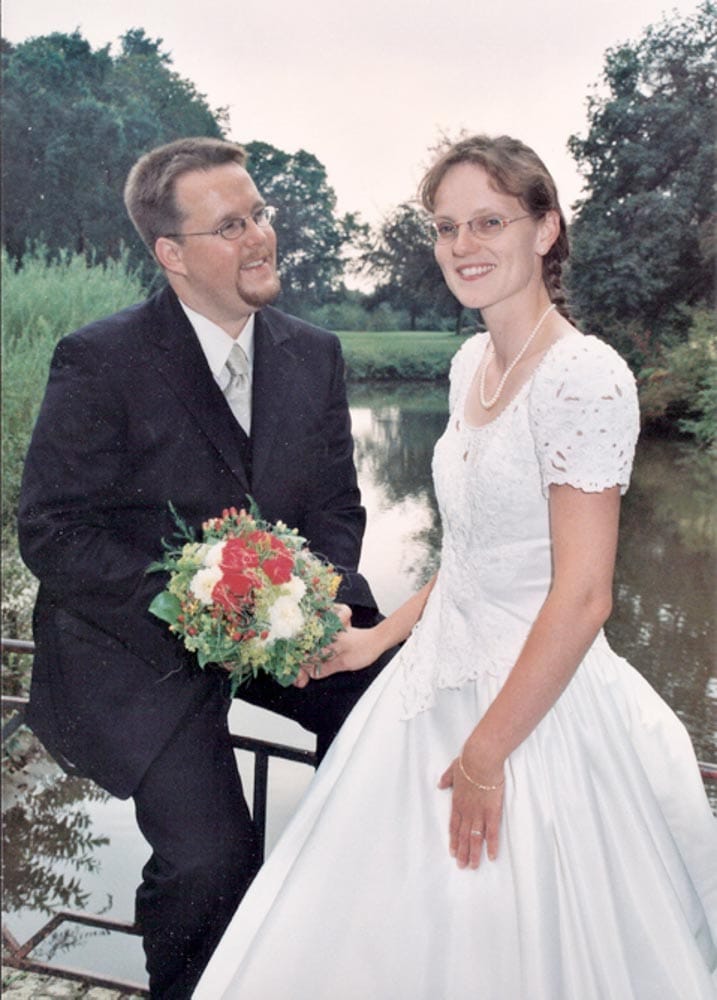
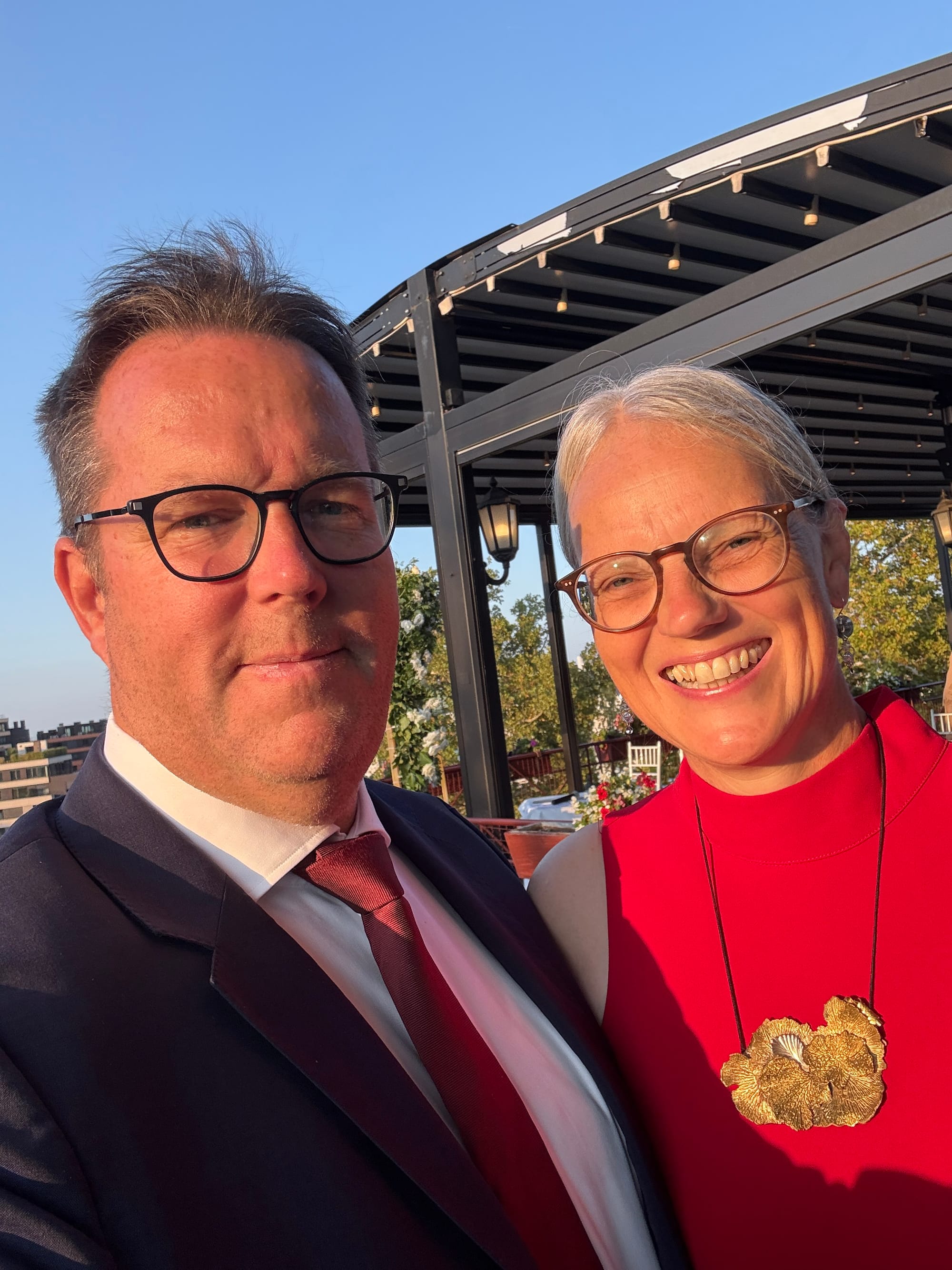
That sentence sounds large, but in daily life it is made of very small steps.
It is made of noticing that the person beside you has shifted. That what once annoyed you may now protect you. That what once felt too quiet may now feel like an anchor. That love in the long run is not only memory. It is also revision. You better update your picture of the other person, or you slowly end up loving someone who no longer exists.
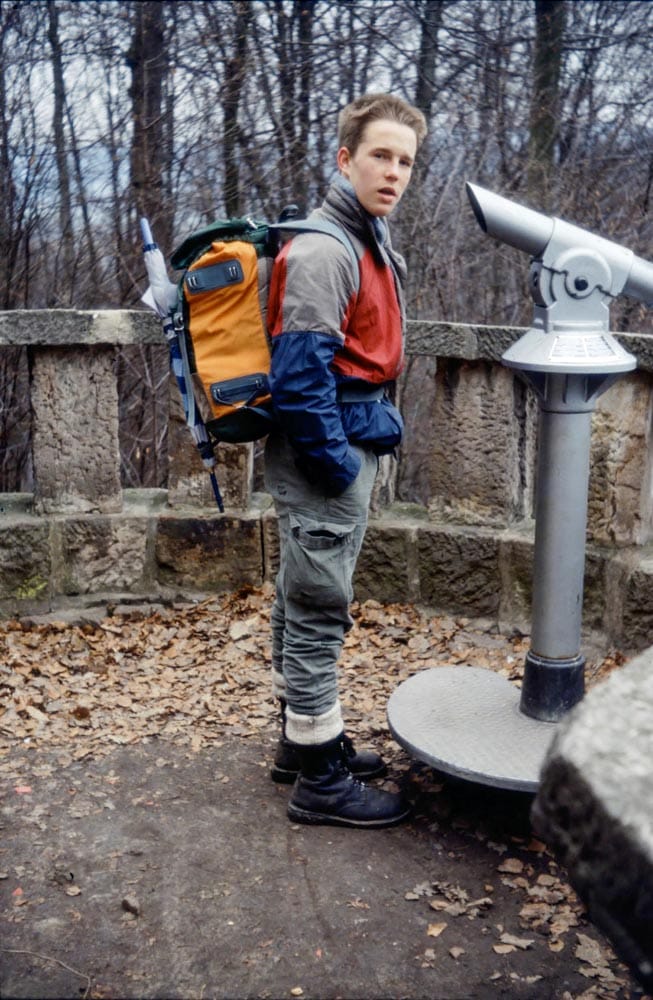

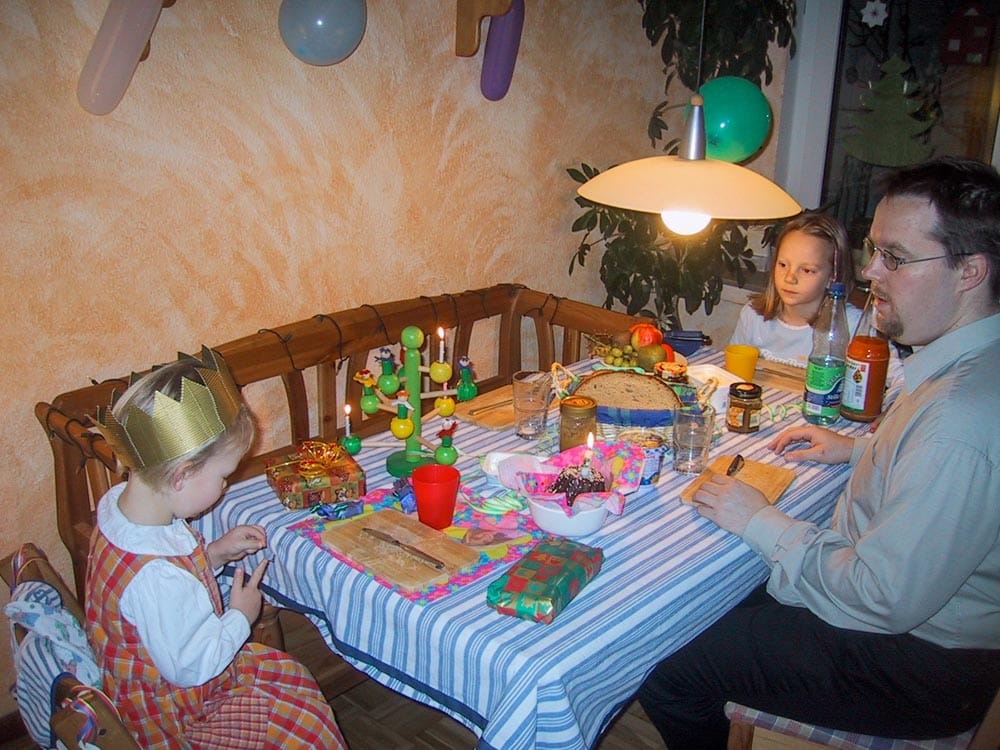
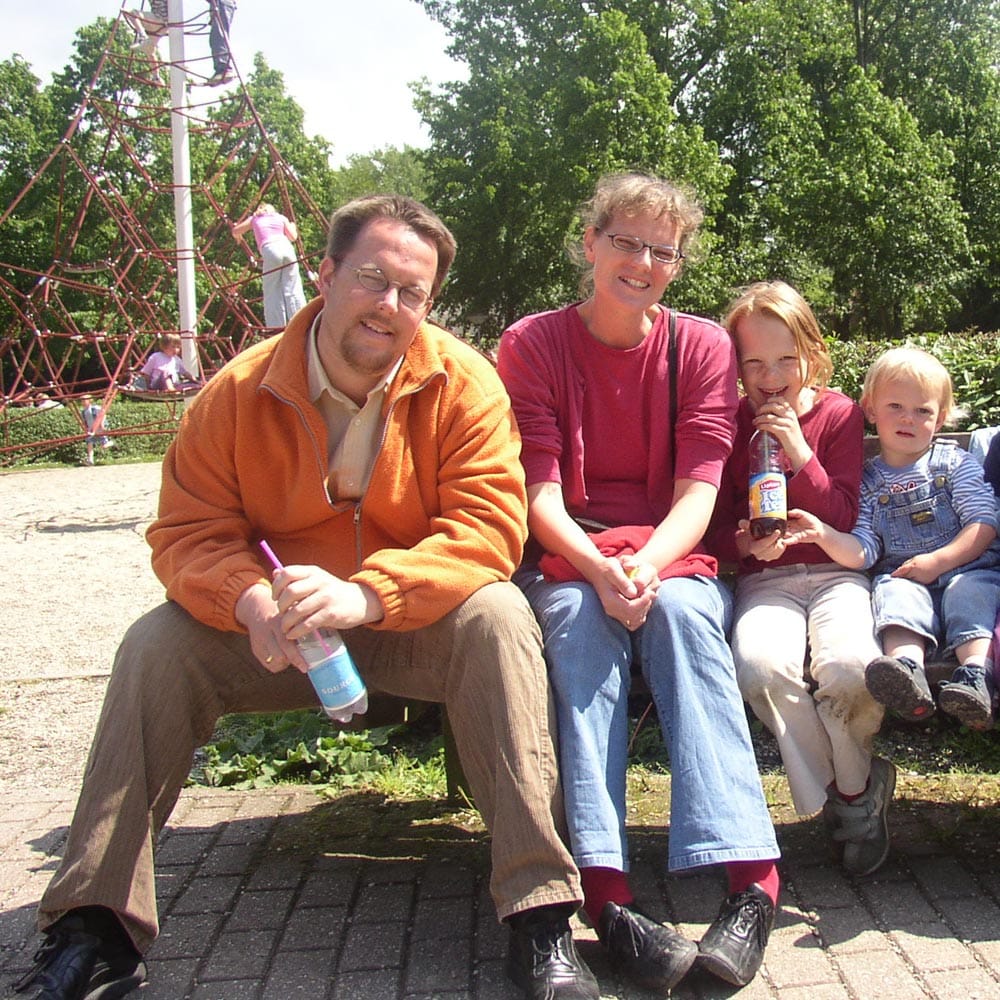
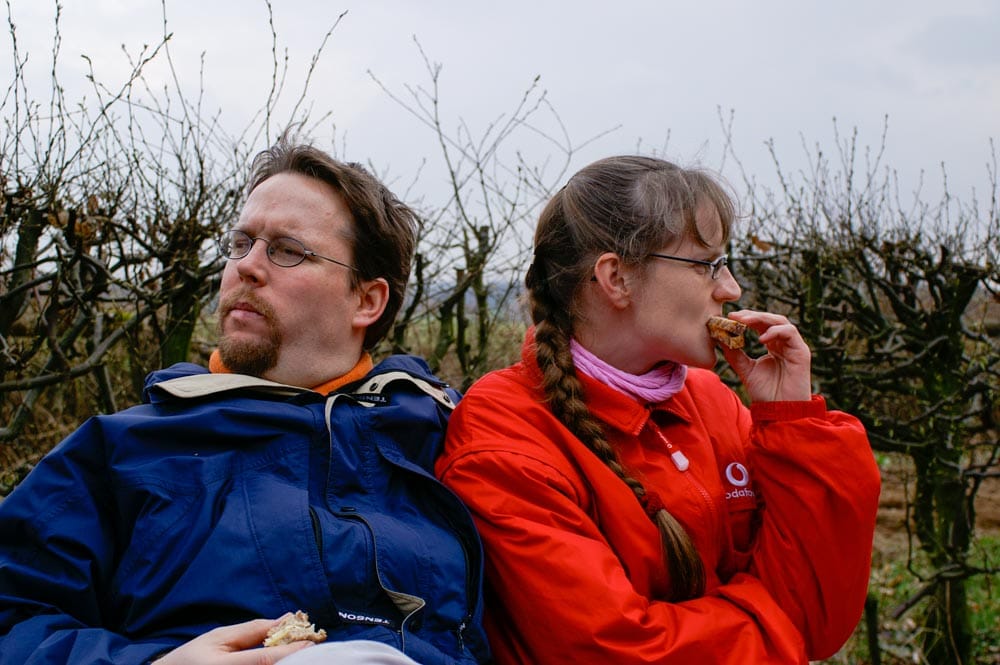
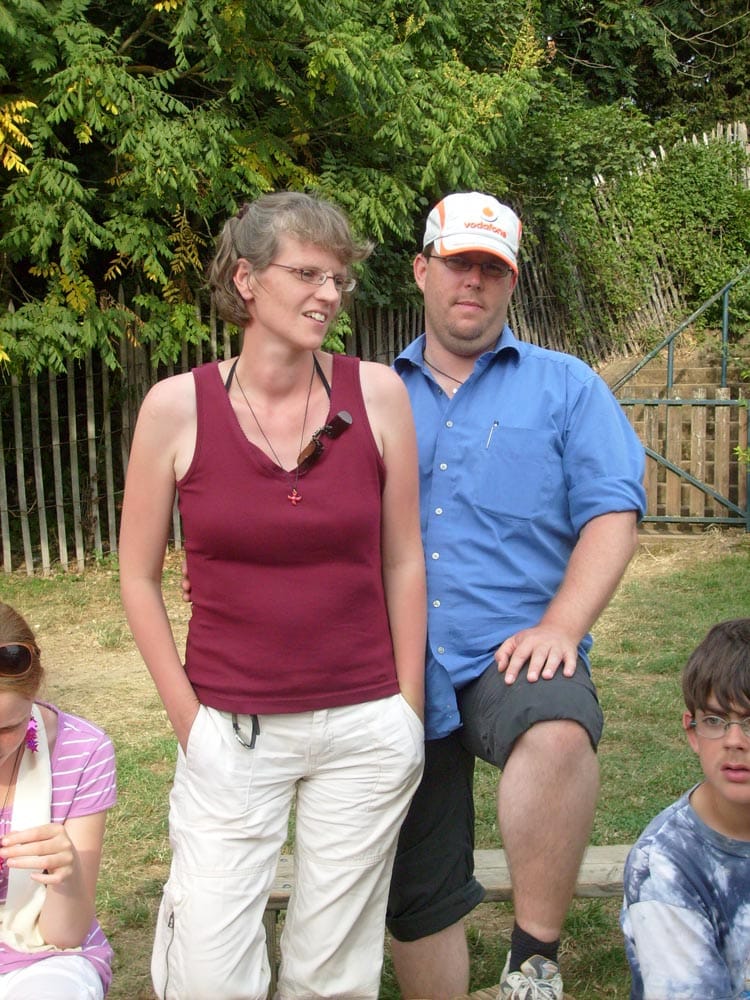
Travel makes this visible because there is less distraction. Less routine built by walls, appointments, separate jobs & rooms, and parallel schedules. In a small moving home, the details rise to the surface faster.
That includes the harder parts.
We do argue. It is not always sunshine, and I do not want to write as if it were. Sometimes it gets loud. At times, people around us have probably thought: they do not seem especially harmonious. And honestly, in certain moments, I understand why. We are not polished. We do not perform patience.
And the arguments are not cruel. The relationship itself is not on trial. We are open with each other, often direct, almost always factual once the first heat passes. We do not have some elegant conflict handbook pinned to the wall. Usually the end of an argument does not look cinematic. It looks more like this: things cool down, time passes, one of us returns to the point later, and the conversation continues when the water is calmer.
That rhythm may be familiar even if you have never spent a single night in a truck.
Not every conflict needs a perfect resolution in real time. Sometimes the most useful thing is not to win, not to dramatize, not to demand immediate harmony, but to let a moment lose temperature. To come back when both people are able to see more than their own corner of it.
We did not learn that on the road.
We brought it with us. Before this life, there was already a lot we had carried together. Children very early in life. The intense, demanding phase of my self-employment. A shared life built long before Portugal, gravel roads, or any of this current rhythm. Maybe that is why I hesitate when people treat vanlife or overlanding as some kind of ultimate relationship test. The road can certainly expose the cracks. But it does not create character out of thin air.
It reveals what has already been practiced. And sometimes what it reveals is surprisingly ordinary.
Two people sitting in a small space, each busy with their own thoughts, not needing to fill every pause with words. That has become one of my favorite parts of our life. Shared silence used to seem like an absence of something. We see this silent experience as trust. No pressure to entertain. No need to prove closeness by constant conversation. Just the ease of being there.
That is something you do not need a truck for.
You might notice it in a kitchen on a weekday evening, on a train ride home, in the living room after a long day, or during a walk where neither person rushes to fill the air. Silence is not always distance. Sometimes it is what comfort sounds like.
Maybe that is also why outside perception can be so mixed. Some people have seen us in arguments and thought we were not especially harmonious. Other friends, in completely different moments, have called us “couple gold”. Both impressions probably contain something true. We are not smooth. But we are steady. And steady has its own quiet beauty.
If there is anything our small moving home keeps teaching us, it is this: love does not stay alive because two people remain the same. It stays alive because they keep meeting each other again. In new moods, new ages, new landscapes, new fears, and new strengths.
Sometimes that meeting happens on a narrow Portuguese road while I grip the passenger seat for no good reason and Annika drives on, calm as ever.
Explore. Dream. Discover.