
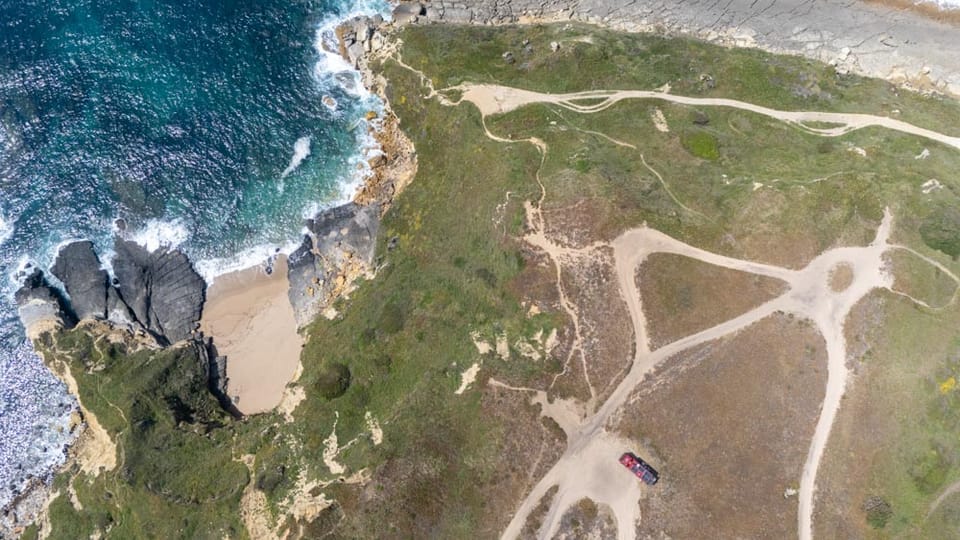
Ten Days of Solitude: Electricity, Water, and Daily Life on the Road

One of the questions we get most often is how long we can stay completely self-sufficient in the truck.
It is a very understandable question, because autonomy is not just a technical detail when you travel like this. You notice it most in the quiet places, when there is no campsite nearby, no infrastructure in sight, just a windy stretch of coast or a cold, empty place in the mountains. Outside it can feel raw and exposed, and inside the truck the lights are on, the heater is running, something is baking in the oven, and everyday life simply continues. That feeling, of being far away and still completely at home, depends on the system working well.
In our case, full autonomy usually means about ten days.
The biggest limiting factor is not fresh water, as many people assume, but waste water. Our grey water tank usually lasts around eight days. Fresh water is much less critical for us. We carry 340 liters, and in normal day-to-day use that is usually enough that something else becomes the limiting factor first.
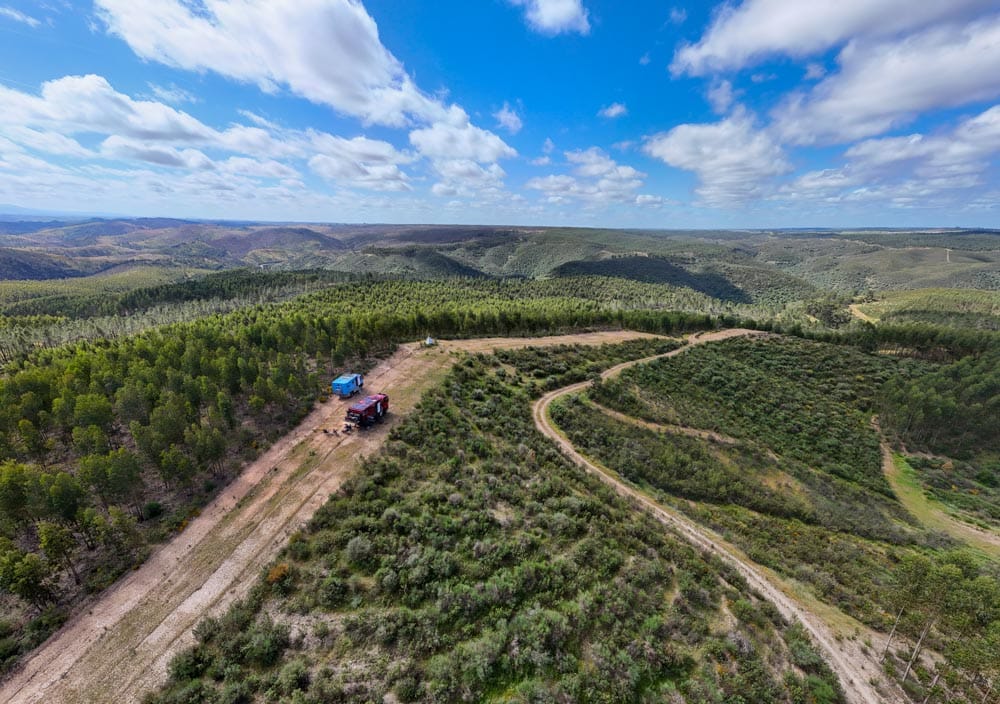
Electricity is the other big part of the equation, especially because our truck is completely gas-free for cooking and heating. That decision came partly from experience. In the past, traveling across Europe with gas bottles and the right adapters was simply too annoying and unreliable. We had enough bad experiences with different systems in different countries that we no longer wanted to depend on gas at all.
So today, we cook electrically, and we heat without gas as well. Diesel is only used for driving and for generating warmth. But even the heating system depends on electricity, because the hot water circulation runs via electric pumps. That means staying warm, especially in colder mountain conditions, is never only a diesel question. It is also an electricity question.
That is why our electrical system is built quite generously. We have 1.6 kWp of solar on the roof and a battery bank with 20 kWh, or 920 Ah at 24 V. In normal daily life we typically use around 5 to 7 kWh per day. On cloudy days, the solar still usually brings in around 1 to 2 kWh, which helps more than people might think, even when the sky stays grey and the landscape outside feels muted and still.
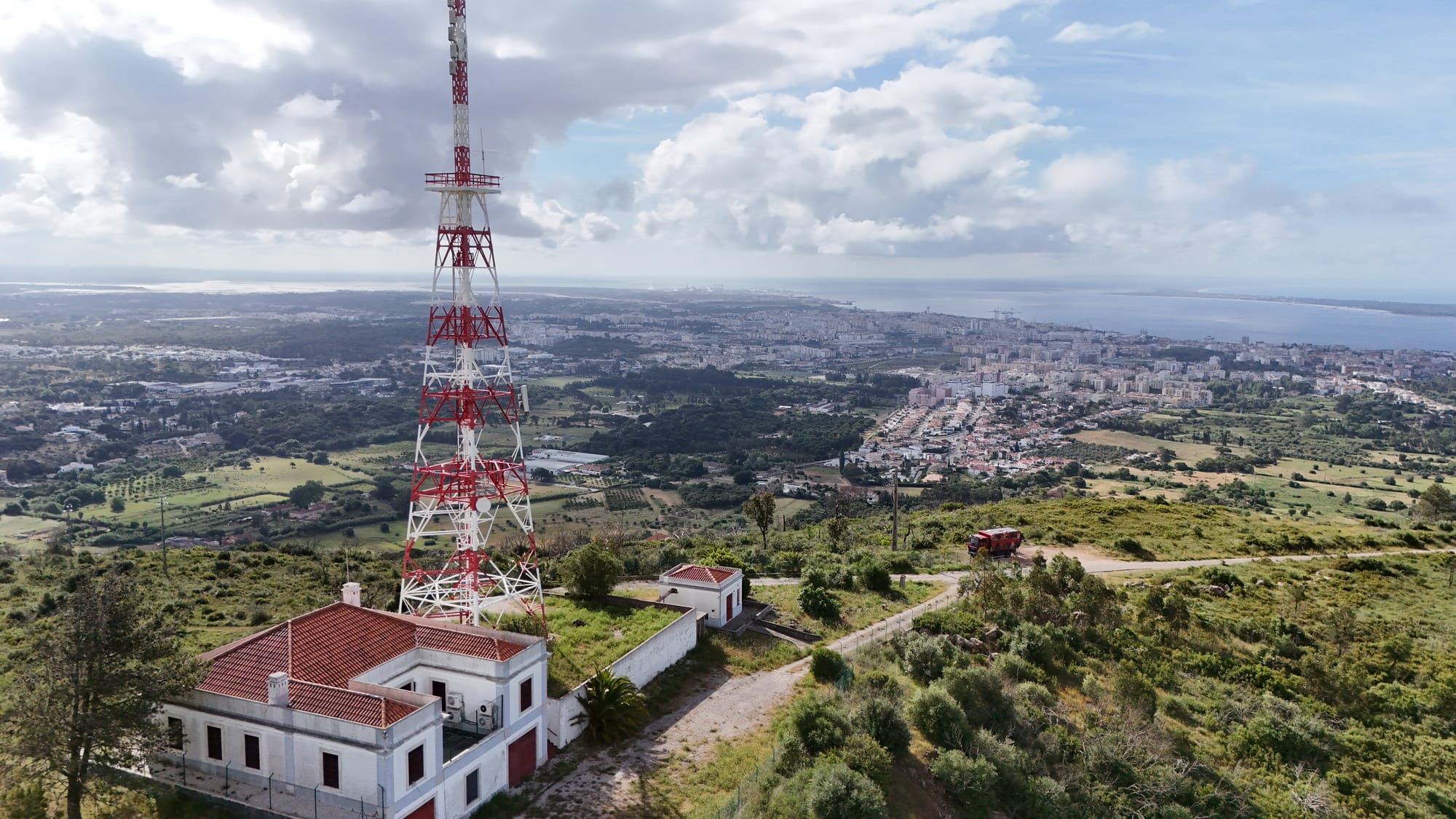
Driving also changes the balance quite a bit. As a rough rule, we can recover up to around 2 kWh per hour of driving. In practice, after a few hours on the road, that often means 3 to 4 kWh back in the batteries. So even if we spend several quiet days parked somewhere remote, a normal driving day can refill a meaningful part of what we used.
In daily life, autonomy is really about balance. If we stay put in one lonely place for days, use the heater a lot, bake bread, cook regularly, and see little sun, then of course the reserves go down faster. If the weather is brighter or we move on after a few days, the system recovers again. Over time, you get a feel for it. You stop thinking only in tank sizes and battery numbers, and start thinking in rhythms: how long we have been standing still, how much sun the panels got, how cold the nights are, whether the waste water tank is filling faster than usual.
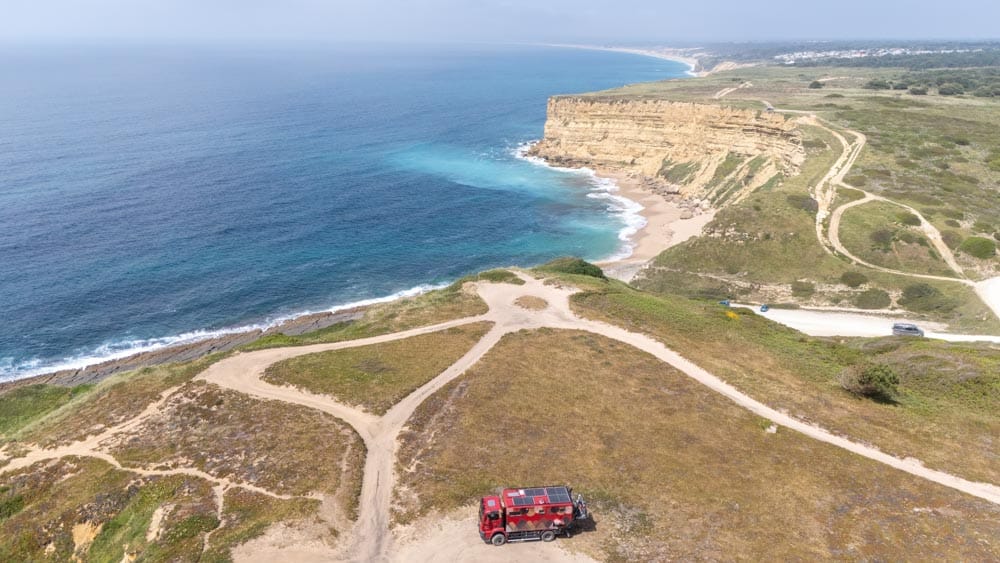
That is what makes autonomy feel real to us. It is not some abstract off-grid idea. It is the reason we can stand in a beautiful, quiet place and not have to leave the next morning just because we need a hookup. It is the reason the truck still feels warm and comfortable when the wind picks up outside, or when the temperature drops in the mountains after sunset. And it is the reason these remote places remain enjoyable rather than stressful.
So if we had to give the short answer, it would be this: around ten days of full autonomy, with waste water usually being the first real limit, not fresh water. Electricity is a central part of the whole system, because without it, not only cooking but also heating support stops working. But with 1.6 kWp of solar, 20 kWh of batteries, and regular energy recovery while driving, the setup works very well for the way we travel.
And don’t worry, next week’s posts will probably be a bit less technical and a bit more about the places themselves again.
Explore. Dream. Discover.