
Rethinking Retirement: Why your Journey Can Start Sooner

Foto: Elisabeth Boves / Schwarzekreide Media
Imagine waking up with no alarm. No meetings. No to-do list. Just the clinking of coffee cups, the salty breeze of the Adriatic, and the soft glow of a Croatian morning. This was Split, one of those rare places where time slows down. It is the kind of moment many dream of reaching someday. For you, that someday can start earlier as expected.
This week's story is less about traveling. It's about an experience I had while giving a talk. It's only connected to travel on a second thought: through the deeper questions of freedom, lifestyle choices, and what it takes to shape your future.
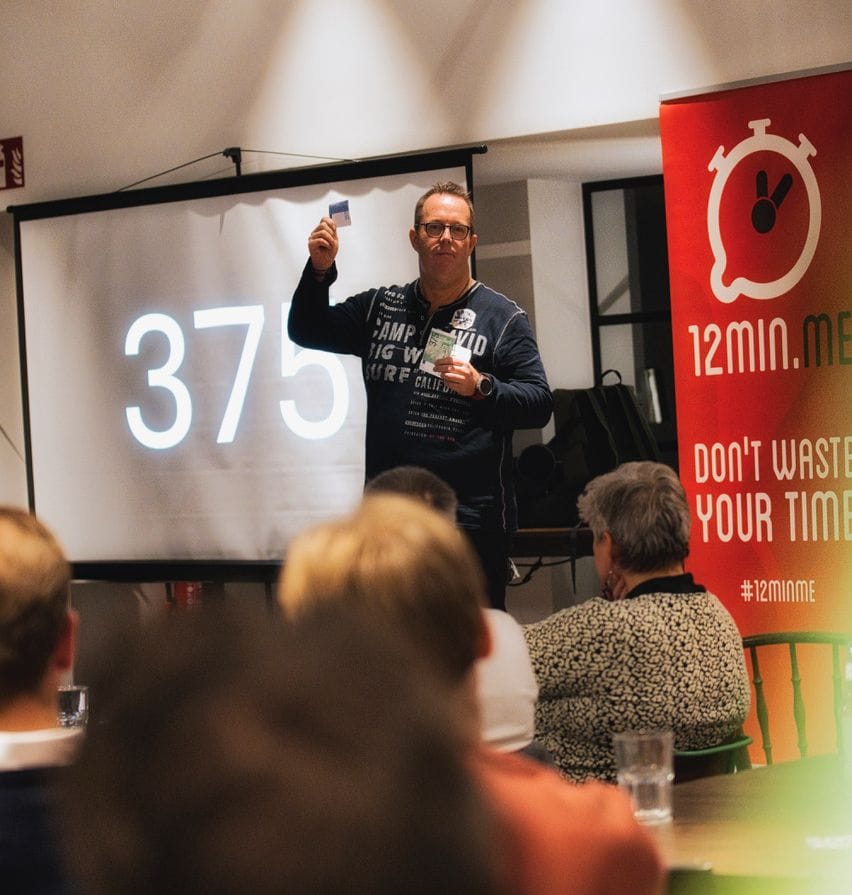
A few nights ago, I gave a talk at 12min.me, a global community event where three speakers share short, sharp 12-minute presentations followed by audience Q&A and open networking. It's a platform for ideas, inspiration, and connection and one that blends perfectly with my other passions: traveling and public speaking.
I shared the simple math behind building a life where you no longer need to work, starting with one key question: how much does your life actually cost? From understanding your spending habits to calculating long-term financial needs, I tried to brake it down in practical steps. It is not about extreme frugality or chasing wealth, but about making conscious choices today that shape your freedom tomorrow. If you're curious how everyday decisions impact your future, I invite you to watch the full talk on Youtube. It will become available only after this article is published.
There were over 60 people in the room, listening intently. My topic? The simple math behind creating a life where you no longer need to work. But the most meaningful part of the evening didn't happen on stage. It happened after the talk.
During the Q&A and networking sessions, conversations opened up that went far beyond compound interest and savings rates.
Is Chasing Growth What We Should Do?
One person challenged the idea of investing altogether. "The capital market," they said, "only chases growth. What about sustainability, equality, diversity?" It was a fair point and one I welcomed.
You can invest according to your values. There are ETFs focused on gender equality, diversity, or emerging African markets. Is that a way diversification can work for you? And investing doesn't stop with the capital market. Another powerful path is real estate. By owning property, you can offer others a warm, safe home, while also building something long term for yourself. Real estate is one of the few publicly accessible asset classes where you can use leverage effectively. However, your initial investment needs to be much higher.
If you are deep into investing, you can find other asset classes. I am as well invested in Whiskey (no kidding) and you can invest in a music catalogue and get paid when some of the songs are getting played.
Or maybe your path is different. You can invest your own human capital by founding a company and building something meaningful.
If you don’t like broccoli, eat cauliflower. There are many routes, and often the best ones combine a mix of approaches.
Is the Future Worth to Live In?
Another question came from someone deeply pessimistic. "Why save for a future I might not even enjoy?" A hard, honest moment. I get it. The world feels fragile, especially for Gen Z and Gen Alpha. This moment made me think.
Part of the challenge, I believe, is the role social media plays in shaping our outlook. Platforms thrive on extremes, whether it's spectacular success or devastating collapse. This constant stream of highlights and lowlights leaves little room for the quieter, more stable reality that most of us live in.
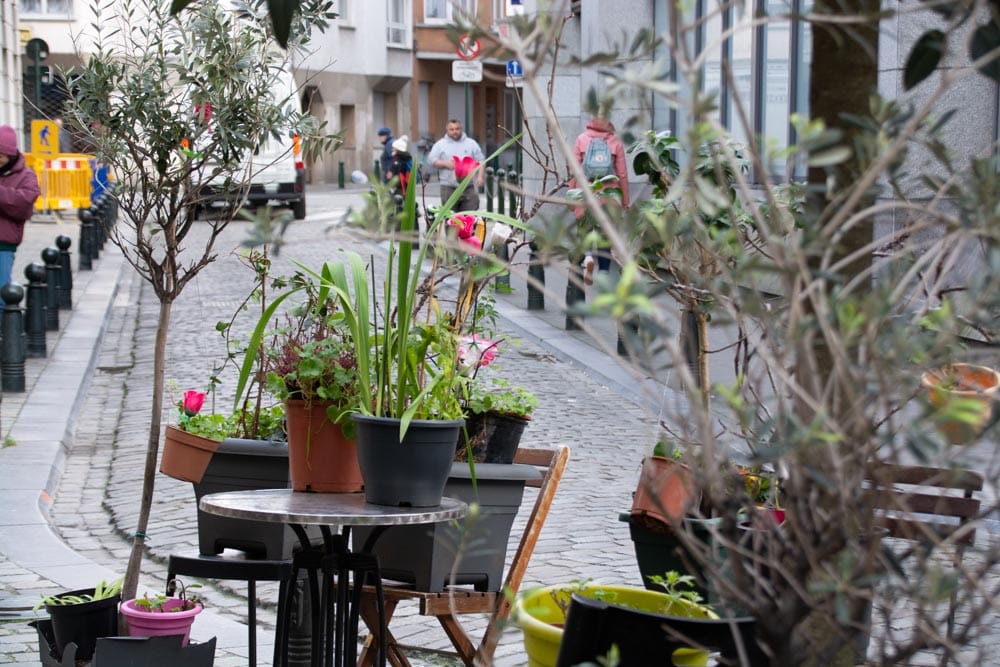
Does Social Media Create Blind Spots for the Ordinary?
Sometimes Beauty Is Just a Crooked Table and a Few Pink Tulips
Over time, this flood of emotional extremes distorts our perception and moves our perspective. It makes the world feel more chaotic, more fragile, and more hopeless than it maybe is.
I choose optimism. If we zoom out on the time scale, I see a different story. Crises come and go. In 1920s Germany, during hyperinflation, people likely felt just as lost and uncertain. And yet, the world moved on. Things stabilized. Humanity is resilient. I believe, over time, just like long-term capital gains, life tends to normalize.
And yet, who am I to judge? I'm not here to change anyone's reality. Everyone has their own lens on the world, shaped by personal experiences, challenges, and dreams. What feels like optimism to me might feel like naivety to someone else. That’s okay. This is not my way or highway. My goal isn't to convince anyone to see things like I do, but to offer a perspective that might help balance the scale.
It's All About Starting Early
Later, during the networking session, one young man stood out. He was 25, working full-time and DJing on the side. His savings rate? Over €2,000 a month for the last year. Incredible. Using the simple math from my talk one can easily find out that means he could already afford a €1,000/month private pension when he is retired in 40 years. If he continues, grows his income, and keeps his savings discipline, his future is his to design.
What's the Most Important Financial Decision?
Then there was a couple. He was passionate about investing in the future. She preferred investing in the present: travel, clothes, and creative courses. Neither is wrong. But it reminded me how deeply money philosophies affect relationships. It's like one person wanting kids and the other not. There is no half-child compromise. But unlike the kids question, when it comes to money, you can find a balance. You can allocate part of your resources to enjoying life now, and part to securing your future. This couple will have to work through that dynamic and find a mix that respects both, joy today and stability tomorrow.
To me, it became clearer than ever: choosing your life partner might be the most important financial decision you make in your lifetime. I’m grateful that Annika and I agree on the values that matter most. We don’t align on every other detail, but the big points are covered, and we can agree to disagree on other parts. That mutual respect is what counts.
Consumption vs. Wealth
During the networking session, one person told me they constantly feel broke. And yet, looking at them, I noticed the details: a big ring on the hand, an elegant laptop-bag, a very nice coat, and glasses that looked like they came from a luxury brand. It made me reflect. What we wear and show is not always aligned with what we own or what we feel.
Be aware that what you see is not wealth, it is consumption. Expensive cars, fancy vacations, designer clothes are visible. Wealth, on the other hand, is quiet. You don’t see savings accounts, paid-off mortgages, or long-term investments. The people around you who trigger feelings of jealousy may not actually be rich. They might just be spending a lot. Focus on your own path. Build quietly. Live intentionally. And remember: Envy is the thief of joy.
All in all, the evening was a blast and a challenge. I did only knew two days ahead that I’d be speaking. I was more nervous than usual, especially for the unpredictable Q&A. Those moments which are raw, unfiltered and unscripted, were the most powerful. They stretched and challenged me. And they reminded me why I do this.
Not just to talk. But to connect. To answer real questions. To imagine better explanations.
And maybe, just maybe, to help someone take that first step toward a life of freedom, whatever that looks like to them. If I have convinced only one person that evening to reflect on their consumer behavior, then it was already a full success. Financial education is a blind spot for many, and that's something that needs to change. I'm committed to continuing this conversation and fighting the lack of financial knowledge wherever I can.
For those who go back to work on Monday morning and scroll through highlight reels wondering where they stand, maybe it’s time for a social media detox. Step away from the noise. Take a walk in nature. Sit by a river. Watch snowy landscapes unfold in silence. That’s where the ordinary lives and where peace can grow. The good stuff isn’t always on screen. Sometimes, it’s just waiting outside your front door.
This was a long post. I hope some of you made it till the end. Let me know if you enjoyed it.
Explore. Dream. Discover.