
From Laughter to History: Arriving in Spain and Listening Closer

The kind of coincidence you would not dare to invent
We started our Iberian loop through Portugal and Spain the way we like best: with a plan that is gentle enough to bend. Mid February we crossed into Spain with Emil, our red rolling home, humming along as if he already knew new stories were waiting around the next bend.
There was one thing we did want to make happen early on: meeting Olivier and Anne. We met them last year at Abenteuer Allrad. Our cars were exhibited next to each other and in the 4 days of the fair our friendship grew. Months passed, and then one day you are actually on the same peninsula with the same direction in your hearts.
So the day before the meetup, I asked Olivier: Where should we meet?
Their reply came back with that calm confidence locals and frequent returners have: a small, cozy campsite near Figueres, right by the sea. Not a big decision, not a dramatic waypoint. Just a little patch of coast to stand still for a moment.
And then the world did its favorite trick.
That same evening I called Michael and Michele. Long time readers of this blog already know them from our Balkan crossings last summer, and from our winter meetup near the Bardenas Reales. Michael is not just a friend from the road. He was my companion when we built our company, the kind of person who knows your worst days and still answers the phone. “Brother from another mother” is cheesy until you have one, and then it becomes simply accurate.
We talk regularly, irregularly. You know how it is. Life moves, the calendar fills, but the thread stays unbroken.
I knew from earlier conversations that the two of them were also heading for Spain. I did not know where they were at that exact moment. I asked, casually, almost as an afterthought.
And then Michael said: “We’re at a campsite near Figueres. By the sea.”
Same place. Same night. Same little coastal corner.
I sat there for a second and just laughed. Not because it was funny, exactly, but because it felt like the universe had reached out and gently squeezed our shoulders like: See? This is why you keep showing up.
A table for six, built from chance
The next day, three parties, one campsite.
No grand entrance. No cinematic slow motion reunion. Just doors opening, footsteps on gravel, the familiar warmth of people you have not seen in a while, and the immediate comfort of picking up a conversation mid sentence.
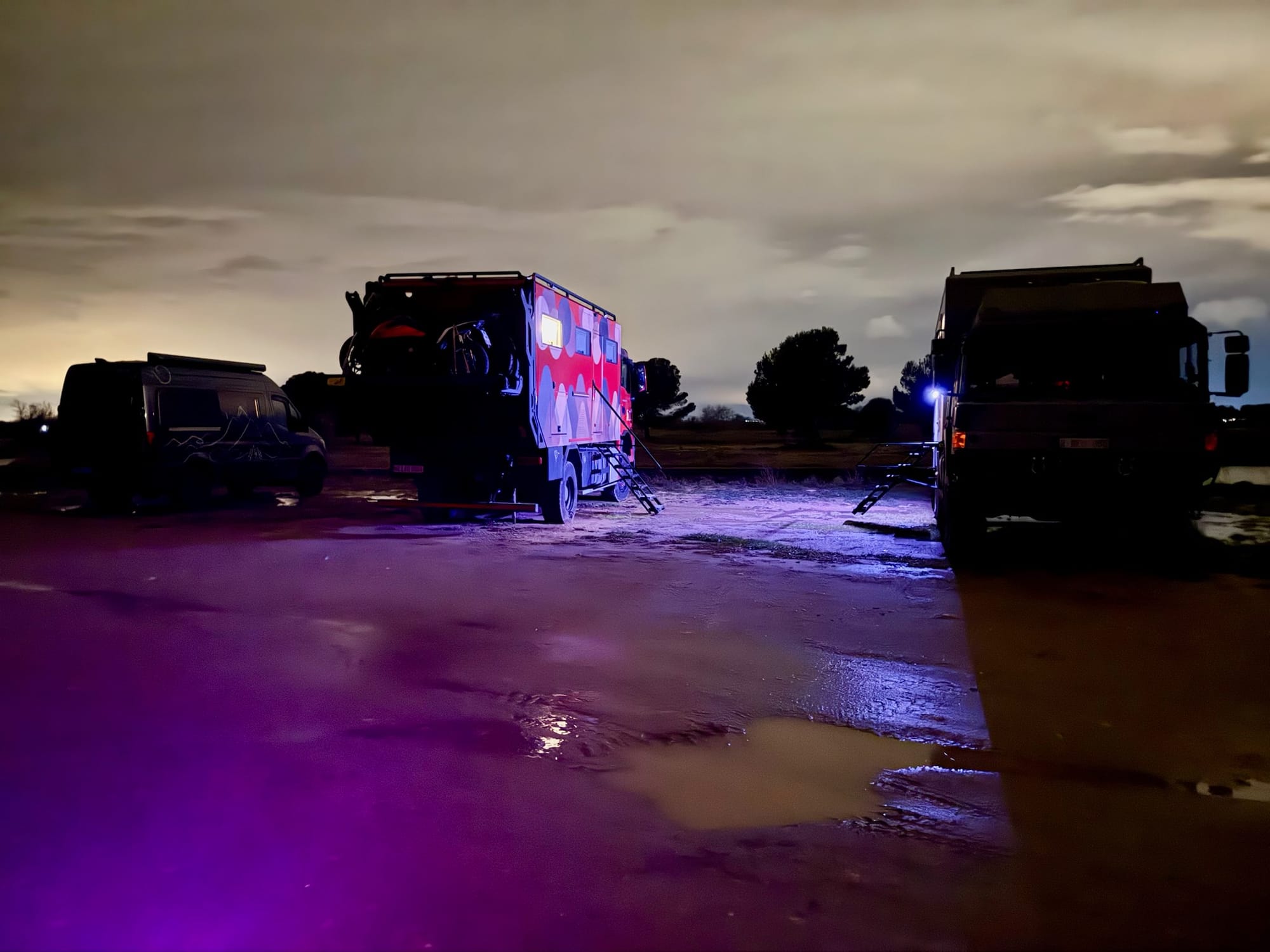
We spent the afternoon doing what overlanders do when they are not driving: talking. Not just the “where have you been” kind of talking, but the slower kind that circles into real life. Small problems and small joys. Maps and memories. How the last weeks felt, not just where they went.
Later, we shared dinner, all six of us, tucked into Olivier and Anne’s vehicle. It was one of those meals that feels like more than food. Plates passed hand to hand. Laughter rising and falling like waves. Someone remembering a detail that makes everyone laugh again. That rare, soft feeling of being exactly where you are, without wishing you were somewhere else.
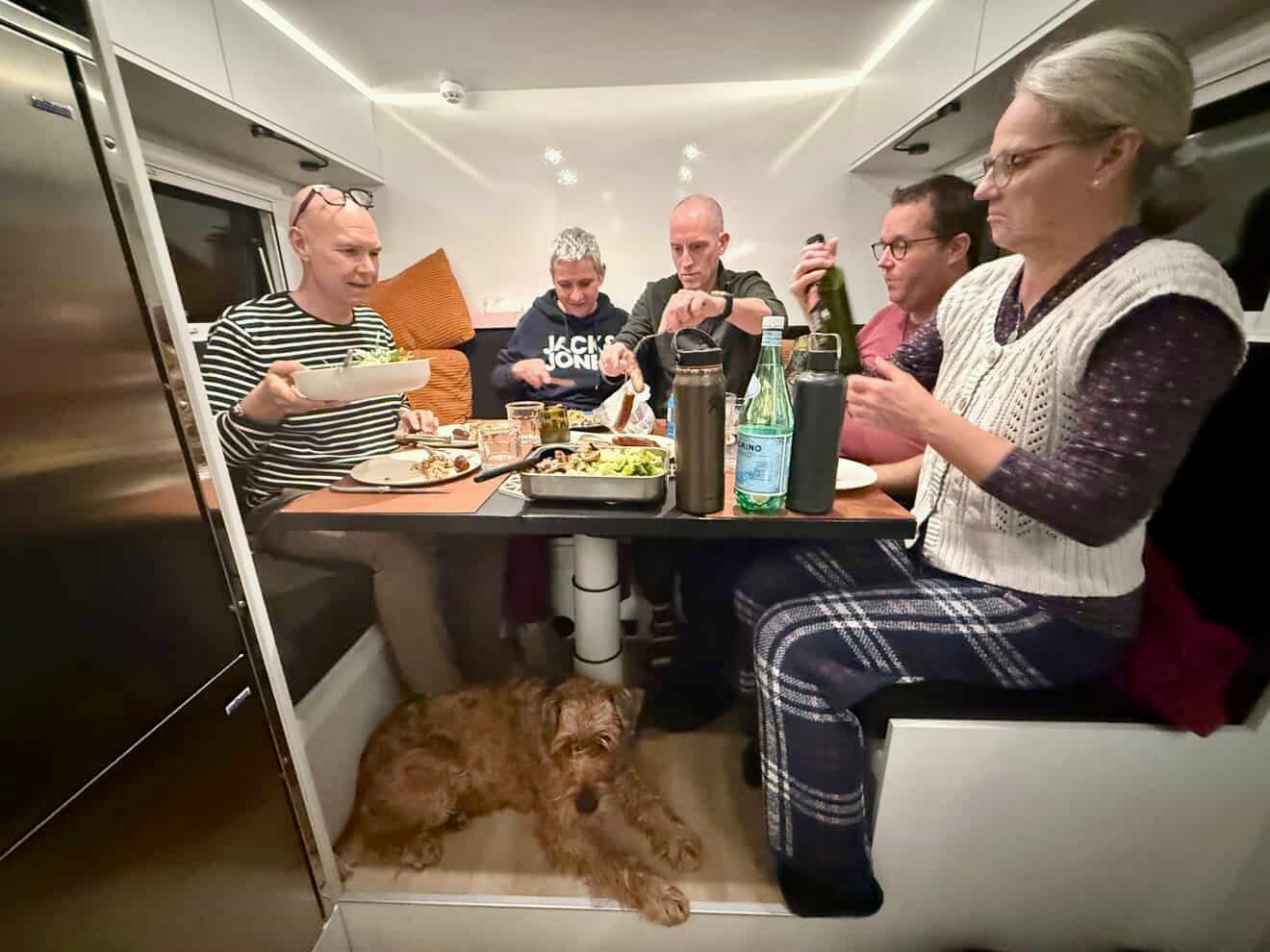
These are the stories life writes when you give it a blank page and do not grip the pen too tightly.
When you drive through Catalonia, history sits in the passenger seat
After that kind of day, it is tempting to keep the story purely light. Sea breeze, friends, clinking glasses, and off we go. Nice hiking sceneries, picturesque towns, and all is bright and sunshine.
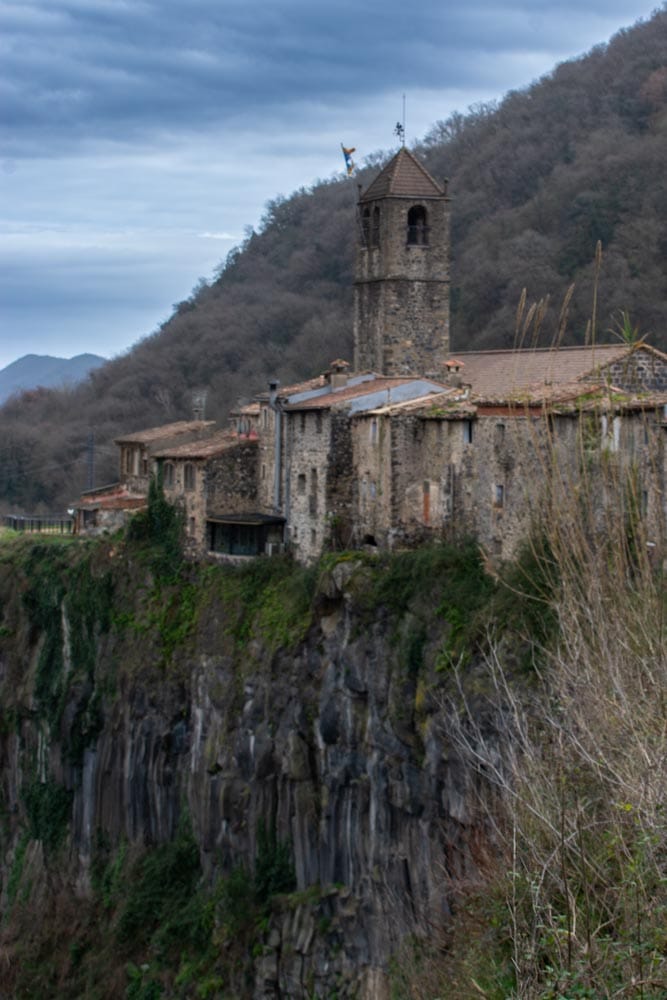
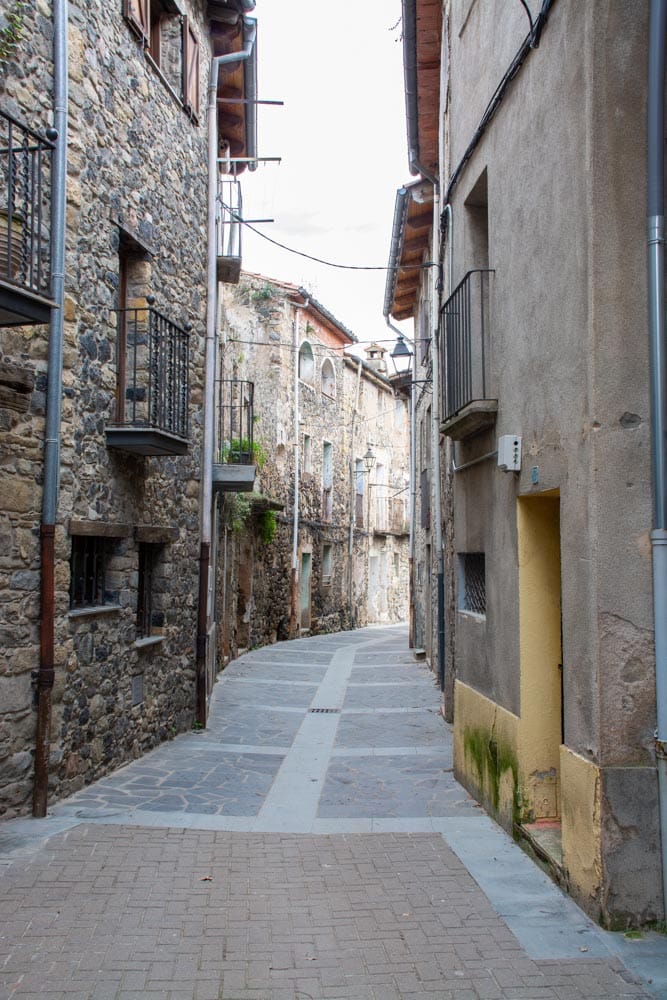
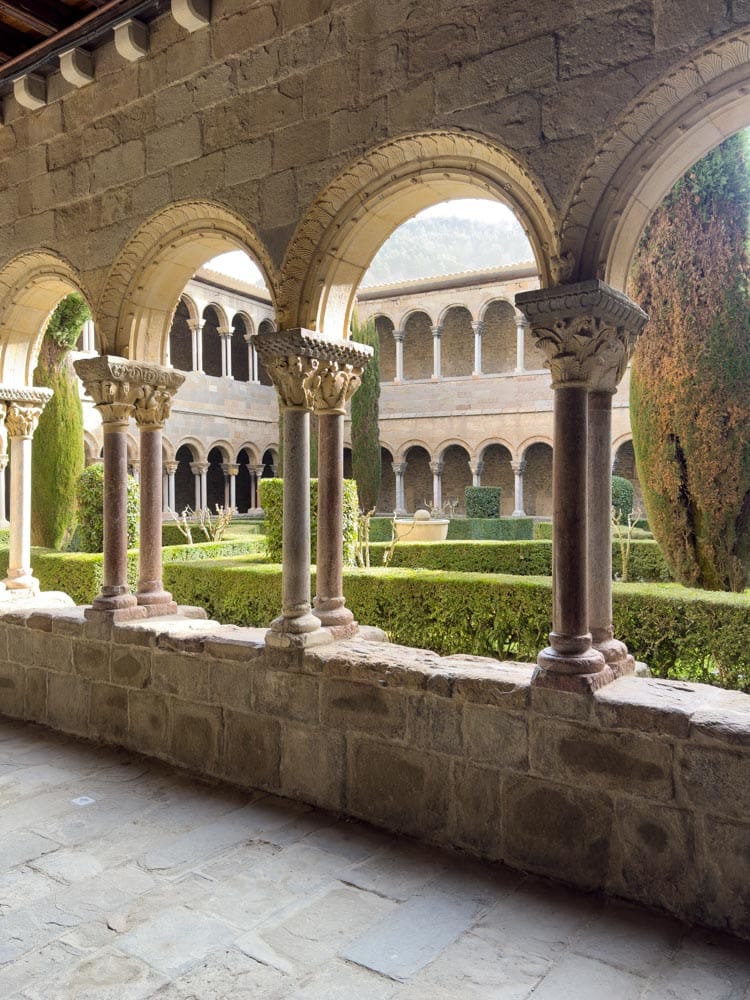
But traveling slowly through northern Spain, you cannot help noticing another presence. Signs. Flags. Stickers. Two independent languages coexisting. The ongoing tension around Catalonia’s independence movement is not hidden here. It is woven into everyday life.
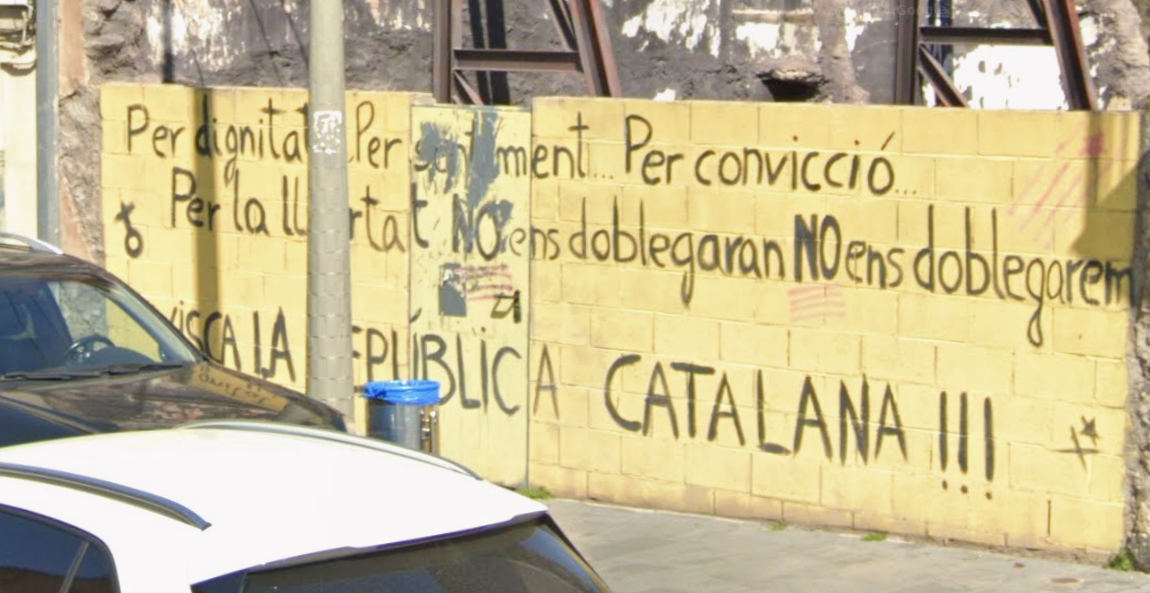
As you know, we try to learn the history of the places we pass through, not to collect facts like stamps, but to understand what we are seeing. Landscapes are beautiful, yes, but they are also layered. And in Catalonia, one of the strongest layers is a long, painful relationship between the region and Spain’s central government in Madrid.
Here is the short version of the background that helps make sense of the mood you might encounter on the road.
1714: The wound that became a date on the calendar
A key turning point often named is the fall of Barcelona on September 11, 1714, after a long siege during the War of the Spanish Succession. After the Bourbon victory, Catalonia’s historic rights and institutions were dismantled within a more centralized Spanish state, and Castilian Spanish became the dominant official language.
That date, September 11, is remembered today as the Diada, Catalonia’s national day. Not a celebration of conquest, but a remembrance of lost self rule. That alone tells you something about how memory works here.
The 20th century: hope, then repression, repeated
The 1900s brought a harsh rhythm: brief openings followed by heavy closing doors.
Under Miguel Primo de Rivera’s dictatorship (1923–1930), existing self governance was curtailed. During Spain’s Second Republic, Catalonia gained an autonomy statute in 1932, only for it to be suspended in 1934 after political conflict. The regional government was arrested and punished. After the Spanish Civil War, Franco’s dictatorship (1939–1975) brought the deepest repression. Catalan autonomy was abolished, the public use of the Catalan language was forbidden, and regional symbols were suppressed.
For many families, this is not distant history. It sits close, carried in stories, silences, and the way grandparents still switch languages depending on who is listening.
When people talk about mistrust, they often do not mean a disagreement about policy. They mean a fear of repetition.
2010: the modern shock that many still feel
Fast forward to the democratic era. In 2006, a new Catalan autonomy statute was negotiated and approved by referendum. But in 2010, Spain’s Constitutional Court struck down or reinterpreted key parts after a challenge by the conservative Partido Popular (PP). One symbolic flashpoint was the court’s statement that calling Catalonia a “nation” had no legal force.
Many Catalans experienced this as a humiliation, and as proof that even negotiated, voted agreements could be reduced from above. Whatever your political view, you can understand how that kind of moment hardens a relationship.
Money and fairness: the argument that never stays purely economic
On top of the historical layer lies an economic one. Catalonia is one of Spain’s strongest economic regions and contributes a significant share of national output. Many people in the region see the fiscal system as unfair, especially when compared to places like the Basque Country, which has a different arrangement that allows it more direct control over tax revenue.
After the 2008 financial crisis, these feelings intensified. Hard times tend to make old arguments louder, and old resentments sharper.
When you stack these layers, you begin to see why the relationship between Catalonia and Madrid is not just political. It is emotional. Historical. Personal.
What this has to do with a campsite dinner
It might seem like a strange turn, from a seaside reunion to centuries of tension. But for us, it fits.
That afternoon with our friends felt like the opposite of conflict. It was cooperation in its smallest form: making space, sharing food, listening. And then, stepping back into the wider world, we were reminded that communities are shaped not only by who sits at the table today, but by what happened to their tables before.
Travel often does this. It gives you sweetness, and then asks you to look a little deeper.
And maybe that is the quiet thread connecting both parts of this story: relationships are built over time, and trust comes by foot and goes on horses. Between friends, between regions, between governments. Repairing is always much slower than damaging.
A small thought to carry home
There is one tiny detail from this whole coincidence that keeps echoing for me: it started with a message.
I could have waited. We could have said, “We’ll see when we see.” We could have driven on and missed it all. But I asked Olivier and Anne where to meet. I called Michael and Michele instead of assuming we would catch up another time.
In everyday life, that can look much smaller. Sending the message you keep postponing. Making the call you think might be “bothering someone.” Saying, “Are you around?” even if you feel silly.
Not because you can control the outcome. You cannot. But because connection often begins with the simplest reach outward. And sometimes, if you are lucky, the world answers with a table for six beside the sea.
Explore. Dream. Discover.